
SHIFT HAPPENS | SEASON 6 • EPISODE 6
Olga Berg: How People Work & Communicate In Times Of Crisis
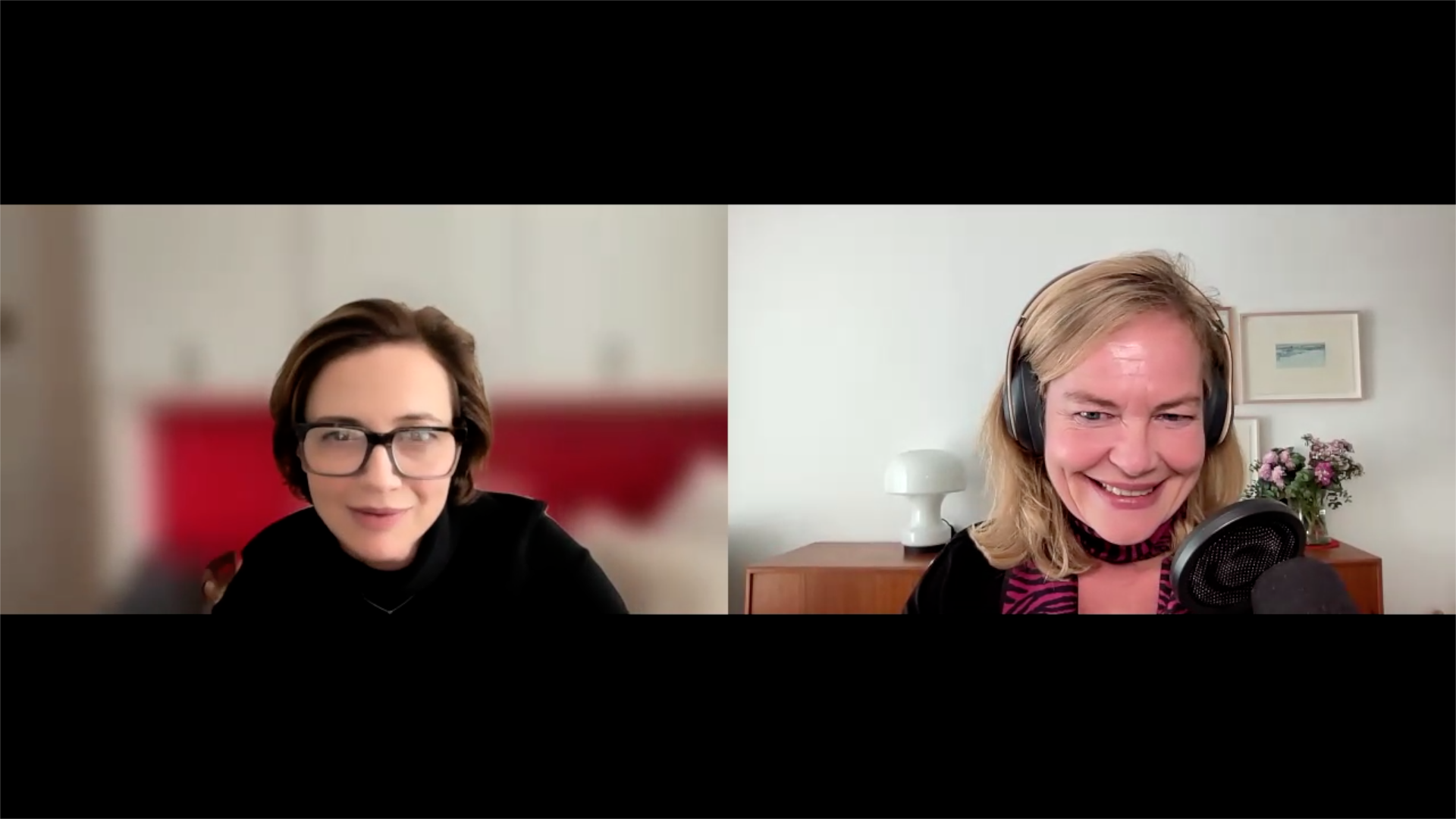
In this episode, Olga Berg – a linguist, former U.S. government interpreter, and humanitarian coordinator – living in New York City, shares her shift from high-stakes diplomatic interpretation to frontline crisis response during the Ukraine war, and her current AI venture. Olga was the a co-founder and appointed lead of organisation for the Ukrainian Medical Consortium, that ran internationally certified tactical medicine training for over two years amongst other significant initiatives in the beginning of the war. After a burn out and completing a Master in Oxford, UK, she is now the co-founder of “Darcy Code”, a behavioral linguistic intelligence engine designed to improve human communication precision.
Listen
About Our Guest
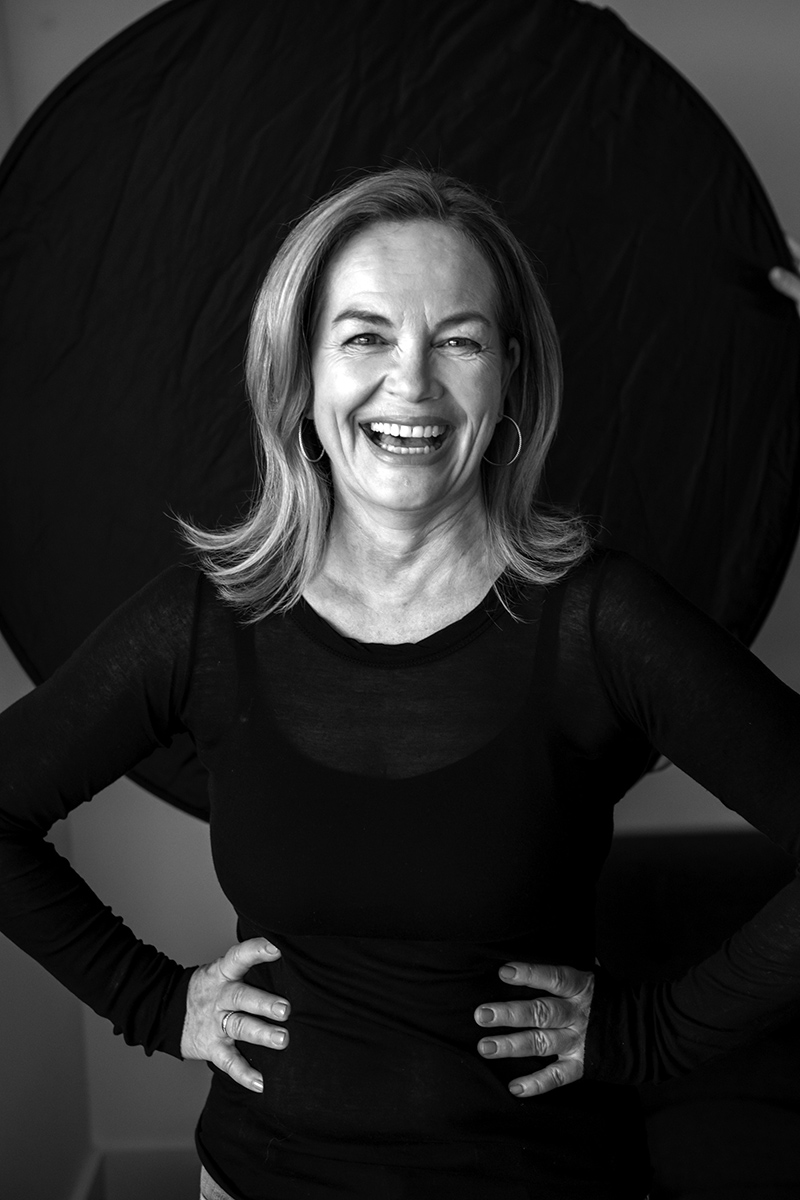
Olga Berg
OLGA BERG — Founder & CEO, DarcyCode
DarcyCode reads what is actually happening between people — across language, power, culture, and crisis — in real time.
30 years reading rooms where communication failure costs lives.
Ukraine Medical Consortium — Director
Created in collaboration with Polish Institue for Emergency Medicine.
Facilitated, and implemented multinational medical collaborations in active war zone MOH Ukraine, Ukraine Military Command, Northwell Health, Dana-Farber/Harvard, MSF, and many others. Programs included emergency surgery, tactical medicine, frontline psychiatry with King’s College London, oncology with Dana-Farber/Harvard, emergency gynecology in de-occupied territories with MSF, and cardiac care with US Heart Rhythm Association and Biotronik.
NASA Johnson Space Center
Mission Control — space-to-ground communications, astronaut training, operations support
US Department of State, Language Services, Conference Interpreter
US Department of State — Plutonium Disposition negotiations
US Department of Energy — Lawrence Livermore
Chernobyl sarcophagus remediation
US Department of Justice
White-collar crime training programs
Oxford Saïd Business School — EMBA J23
Mother of 3.
DarcyCode — temporal behavioral intelligence that reveals what’s hiding behind the words.OLGA BERG — Founder & CEO, DarcyCode DarcyCode reads what is actually happening between people — across language, power, culture, and crisis — in real time. 30 years reading rooms where communication failure costs lives. Ukraine Medical Consortium — Director Created in collaboration with Polish Institue for Emergency Medicine. Facilitated, and implemented multinational medical collaborations in active war zone MOH Ukraine, Ukraine Military Command, Northwell Health, Dana-Farber/Harvard, MSF, and many others. Programs included emergency surgery, tactical medicine, frontline psychiatry with King’s College London, oncology with Dana-Farber/Harvard, emergency gynecology in de-occupied territories with MSF, and cardiac care with US Heart Rhythm Association and Biotronik. NASA Johnson Space Center Mission Control — space-to-ground communications, astronaut training, operations support US Department of State, Language Services, Conference Interpreter US Department of State — Plutonium Disposition negotiations US Department of Energy — Lawrence Livermore Chernobyl sarcophagus remediation US Department of Justice White-collar crime training programs Oxford Saïd Business School — EMBA J23 Mother of 3. DarcyCode — temporal behavioral intelligence that reveals what’s hiding behind the words.
About Your Host
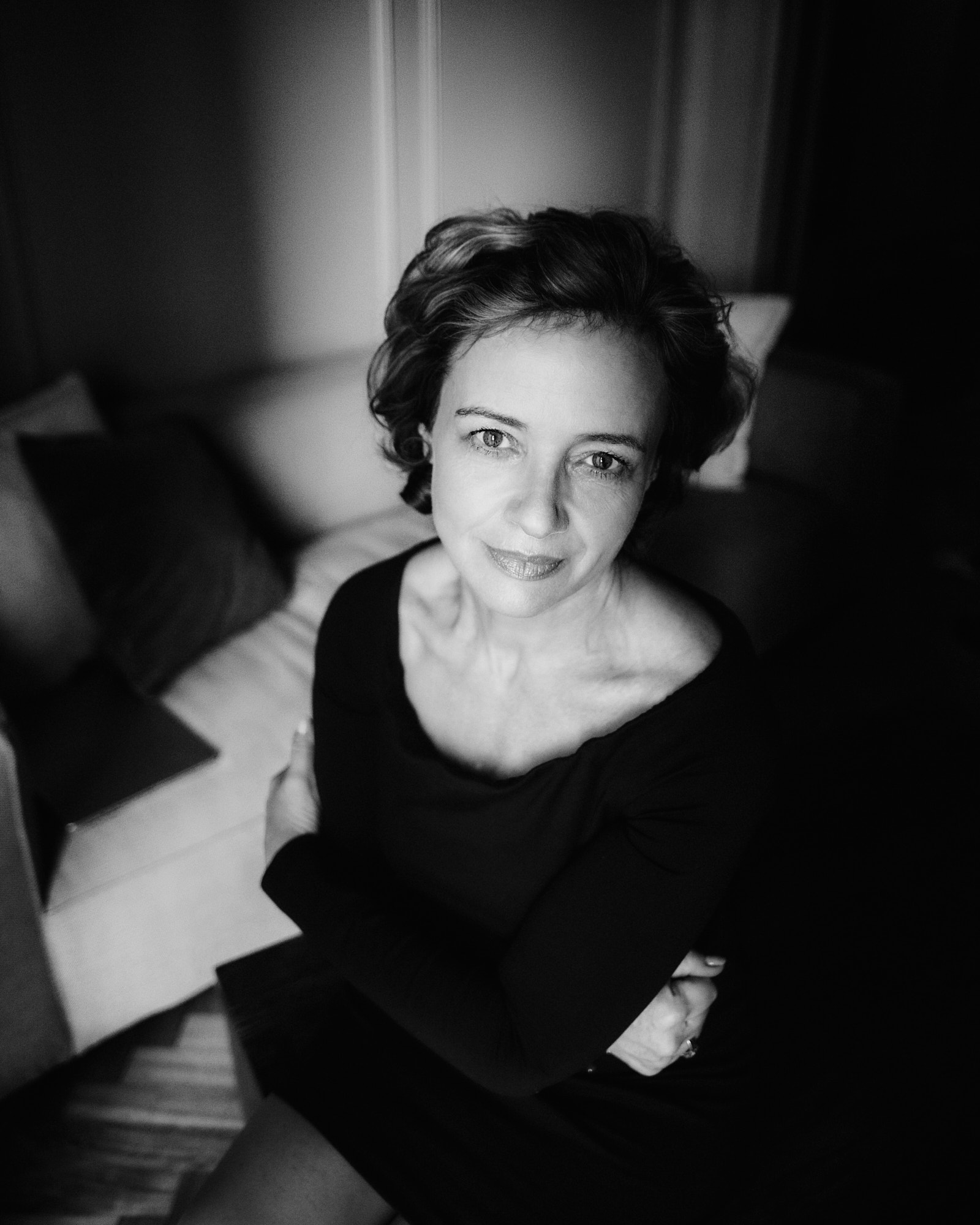
Claudia Mahler is a creative activist, with more than a decade of experience curating meaningful conversations for women in business, art and education in Europe and the United States.
She designs events for women’s empowerment that emphasize organic connection and conversation to complement existing professional development training in a variety of work environments.
She has 20+ years of experience in communications and PR in Europe and the East Coast of the United States.
Transcript
Olga Berg
00:00:02:10 – 00:00:25:22
Olga
What I saw in the word time is incredible, fascinating alignment of people from different cultures, different walks of life. When we are all aligned in kind of the ego steps away. It’s really incredible how knowledgeable we are, how everybody knows what to do or who to call, what to carry, who to feed. You know, women, men, dogs, almost everyone.
00:00:25:22 – 00:00:41:22
Olga
The outpouring of talent and collaboration that I witnessed was absolutely mind going.
00:00:42:00 – 00:01:21:19
Claudia
Hello and welcome to Shift Happens. My conversation today with Olga Berg. Olga is originally from a Russian speaking part of Ukraine and has been living in the United States for over 30 years. What I wanted to hear from Olga was how she worked tirelessly yet remotely from her apartment in New York City with the war frontline right after Ukraine was attacked in February of 2022, Olga shares how extraordinarily a crisis situation connects people, how it enables teams to act fast, take responsibility and come up with actionable solutions.
00:01:21:21 – 00:01:53:20
Claudia
Olga headed an international health group that was one of the fastest implemented and certified organizations to support doctors, surgeons and trauma experts on the frontline in collaboration with the Polish Medical Institute, Northwell and other supporting entities. The focus of Olga’s work in general, and she started out as an interpreter for highly established institutions like the UN, NASA, etc. is language, communication, miscommunication and how we can bring more clarity into all of this.
00:01:53:21 – 00:02:21:20
Claudia
She is the co-founder of Darcy Code, an AI driven program to tell us where communication broke, why it broke, and exactly how to resolve it. Fascinating. Tune in to this shared experience of a woman committed to move the needle. I have to admit, every time Olga said the name Darcy Code and this is so silly, I had to think a nanosecond about Bridget Jones and Mark Darcy.
00:02:21:22 – 00:02:42:20
Claudia
I know that is totally inappropriate, but maybe also a good example, I guess, of how random reactions of the brain are sometimes triggered.
00:02:42:22 – 00:02:53:21
Claudia
Welcome, Olga. Back to shift happens. I’m excited that we are getting a chance to speak to each other today. And you are joining from New York, correct?
00:02:53:22 – 00:03:16:19
Olga
Yes, I’m in New York and I’m so grateful to be on this podcast. I love your programing, Claudia. Over the years I’ve gone to so many events. And it’s such a privilege to speak to you today. It’s a very, thoughtful, connected, enriching programing that you do. I think for a lot of women, it’s really a lifeline.
00:03:16:19 – 00:03:18:14
Olga
So thank you so much.
00:03:18:16 – 00:03:34:16
Claudia
Thank you. Thank you. That’s really nice for you to say. So before we go to one of your many, many pivotal moments and shifts, I want to ask you, apples or oranges? Oranges still are sparkling.
00:03:34:16 – 00:03:36:13
Olga
Sparkling.
00:03:36:14 – 00:03:38:21
Claudia
Ice cream or sorbet?
00:03:38:23 – 00:03:40:12
Olga
Sorbet?
00:03:40:14 – 00:03:42:02
Claudia
Mozart or Beethoven?
00:03:42:04 – 00:03:45:23
Olga
Beethoven. Piano Concerto number five.
00:03:46:01 – 00:03:50:22
Claudia
What made you laugh this past week?
00:03:51:00 – 00:03:53:21
Olga
My silly dog.
00:03:53:23 – 00:04:04:08
Claudia
Thank God for the animals. Right? That’s.
00:04:04:10 – 00:04:09:02
Claudia
So since when have you been living in the States? When did you move there?
00:04:09:04 – 00:04:21:17
Olga
1990. A long time ago. Then a long time ago. Most of my life, but also lived in the US and, in different places and in Europe and the UK as well.
00:04:21:19 – 00:04:23:17
Claudia
You’re originally from Ukraine, correct?
00:04:23:18 – 00:04:25:23
Olga
Yes. Well it was back then the Soviet Union.
00:04:25:23 – 00:04:27:09
Claudia
So yeah.
00:04:27:11 – 00:04:30:03
Olga
And the country did not exist in our town.
00:04:30:05 – 00:04:56:20
Claudia
Yeah. Yeah. So we were talking before about the work that you have done for, when the war broke out with Ukraine. The work that you’ve done for the medical consortium that you initiated, basically, or worked on it together with the Polish Institute. And of course, that’s just one area that you’ve worked in. And unfortunately, we cannot focus on all the exciting things that you have done.
00:04:56:21 – 00:05:17:15
Claudia
Maybe we will get there. But I really would like to know because, I mean, the war broke out. You were in New York, you had your work, your family, three children, and you decided to get yourself involved and really took the lead on many interventions, basically, right, that serve the people on the front line.
00:05:17:17 – 00:05:43:03
Olga
You know? Yeah. I just wanted to know, like your program is called Shift Happens. Right. And I think it’s really beautiful the coming it happens these things they just happen. But because of my previous, you know, history working with U.S. government, international organizations, when the war broke out, a lot of former colleagues and friends were reaching out to me, knowing that I’m from Ukraine.
00:05:43:05 – 00:06:04:04
Olga
I had some of my old connections, so I really I definitely was, as everybody, the whole world was, you know, so moved. It was such an outpouring of support of compassion from everywhere. But I just happened to be in a place when I, you know, I knew a lot of people, who are making some key decisions.
00:06:04:06 – 00:06:28:07
Olga
So and, and also to London and possessive and, you know, just within that flow of support and help and trying to connect the right people to each other. Because when a big crisis comes, an unexpected one, like with Ukraine, like nobody, I mean, there were people who saw it coming, but majority of know these and did not.
00:06:28:07 – 00:06:53:10
Olga
So, when a crisis like that occurs in any society, in any, it destroys all of the infrastructure, all of the connections, all of the communication lines. So it’s like we’re basically back to bronze, you know, age and it’s a phone and you know, A to B and do you know, aid in it. It just becomes this incredible network.
00:06:53:12 – 00:07:19:15
Olga
People of support of connecting in a different way because the way we used to, the way that’s approved, you know, by society is in that moment does not exist. It’s destroyed. And, and so that for me to see what happens is one is you don’t have a choice because you know, you if you remember the first days of the war, it was, you know, the butcher and all that.
00:07:19:17 – 00:07:50:00
Olga
Things were just really tragic. And, simple help was essential in so many cases. So I happened, you know, among various organizations and people I was talking to, I happened to meet. And until the incredible woman, like this tiny blond woman on the dovish, like, who, worked for Polish Institute of Emergency Medicine, they are a part of a, bigger.
00:07:50:00 – 00:08:24:11
Olga
And it’s a big medical publishing house, like one of the major European medical publishing houses. It runs training for doctors and so on. They also run, training for all of the tactical medicine in Poland, for police force, rescue and so on. And anyway, absolutely incredible human being. So one of the biggest issues, I just said of a crisis is that we have this large aid organizations and systems that are very inflexible, right, and immobile.
00:08:24:13 – 00:08:47:05
Olga
For example, like U.N. aid is distributed through approved organizations. Well, there are ten of them, 15 of them, you know, have hundreds of thousands of millions of people who are affected. It’s impossible. It doesn’t work. So you’ll find other way. So thanks to them, we were able to register an entity very quickly because it was an established, you know, a well known European nonprofit.
00:08:47:07 – 00:09:12:04
Olga
And that allowed us, to, you know, to move really quickly. I had my friend Aram, who is incredible branding expert, made us the logos and all of that. Which is which helps too. But, and then I met another incredible person is, Eric Claude Pina, who is the head of global health at Northwell here in New York.
00:09:12:04 – 00:09:27:01
Olga
They moved quickly. They are global health organization. And he’s just, he’s a New York, you know, doctor. And amazing human being. So they were they were able to move fast. We got, you know, funding from. So.
00:09:27:03 – 00:09:33:12
Claudia
So when you say that you move fast. It’s like within hours, within days, within weeks. I mean, it’s.
00:09:33:14 – 00:10:08:03
Olga
It took it took us, I mean, the first aid that comes is usually private aid because it’s not restricted by a big bureaucratic process. So we will we will follow on, you know, acting, but in terms of kind of registrations. And we started working with Eric Way before we had formed the Polish entity. The first thing we did is we, we set up a surgeon training program because the expertise in large gunshot trauma is very limited, like in the US, it’s New York and Chicago, basically, and we have some amazing surgeons here.
00:10:08:03 – 00:10:44:14
Olga
So we did telemedicine training. And through the positions of medicine and their colleagues, we were able to procure second hand equipment such as serums, X-rays, which are rarely used. You know, in in peacetime, you have specialized hospitals that have those kinds of, X-rays. But when you have massive trauma, you meet them everywhere. So we were able to, to set that up very quickly and had some really talented young, you know, Ukrainian surgeon trained with our US surgeon, who was one of the first thing we did.
00:10:44:14 – 00:11:09:01
Olga
We set up tactical medicines very quickly, and we were the first, and I think the only internationally certified tactical medicine training for civilian to my own for over three years. With teams on the ground, you know, going all over the country, and all of that, you know, I can go on and, you know, just.
00:11:09:02 – 00:11:35:03
Claudia
Yes. Yes, of course. So that must have been huge. Trauma, of course, everywhere, not only for Ukrainians as the attacked nation and people in fear. But I could imagine also for your organization’s staff on the ground, how were you able to kind of support them in all this? And who was supporting you?
00:11:35:05 – 00:11:59:21
Olga
Oh, it’s a good question. It’s a good question. I think, I mean, in the situation, like we were in, for months, you literally couldn’t put the phone down because if you did, you know, something broke down the line because we had, you know, trucks going and surgeries and evacuations, you know, assessments by international teams, you know, various it just was a nonstop.
00:11:59:21 – 00:12:28:21
Olga
And in the peacetime we have processes, we have hospitals. We can take a shift. All of you know, and still are doctors are all burnt out. And we have tons of studies and how that’s affecting the health obviously. Well, I’m not a doctor. You know, I have huge respect for doctors. And I’ve worked with some amazing, doctors, you know, from the UK, US, you know, Ukraine, European that just and, I don’t think there is a good answer to that.
00:12:28:23 – 00:12:57:01
Olga
There is also a new phenomenon because in my case, I worked remotely in Ireland to Poland a few times, but I, I really, I spoke to people, you know, on the frontline every day, but I did not physically go there. So that creates another kind of trauma because, you know, isolation is one of the most difficult experiences for a human being, which we’re not always aware of as we are in an increasingly isolated society.
00:12:57:02 – 00:13:29:04
Olga
But, a lot of processing happens in the community, you know, with, with your comrades, with your. Yeah, you know, with your friend, with your colleagues. So, that’s a really important moment. We did debrief who also had psychiatrist teams we trained with. King’s College London has a very, you know, very interesting, program that is in the Commonwealth for the debriefing of, of the military, and law enforcement.
00:13:29:04 – 00:13:50:17
Olga
So we had people trained. But but what is beautiful, I think if we talk about psychological trauma, which is everybody is traumatized. I mean, it’s just no. And what’s interesting is how Ukrainians took that because they did the training, but then they would drive to the unit and they would cook together and sing together. And before, you know, it started the official debrief.
00:13:50:22 – 00:14:05:08
Olga
And I thought it was so beautiful how each culture, you know, has their own ways. We have our own ways of being human, of connecting us, supporting each other and healing, really. And that in my mind is fascinating.
00:14:05:10 – 00:14:23:09
Claudia
So your work also in there, I mean you were on the phone the whole time also for technical reasons, but it also stands for the area and the field that you spend most of your time and professionally are attached to, which is in the broader sense, communications.
00:14:23:11 – 00:14:52:10
Olga
Yes, I would say so. Communications. And I say human development, you know, like it’s, how we think, how do we operate, how do we connect, you know, what is what is really it all about and how do we make it work? What I saw in the wartime is incredible, fascinating alignment of people from different cultures, different walks of life in a way that I’ve never experienced before, even though I had some, you know, I wouldn’t, you know, you on event.
00:14:52:10 – 00:15:18:19
Olga
I worked for the International Space Station. I did space to ground for the indigenous, which that requires a lot of alignment, like we build things on Earth with them in space and they have to connect up to the migrant. How? We can’t lose any oxygen, right? And same when the crisis. We cannot lose oxygen. But what’s remarkable, I think, is when we are all aligned in kind of the ego steps away.
00:15:18:19 – 00:15:45:19
Olga
It’s really incredible how knowledgeable, how everybody knows what to do or who to call, what to carry, who to feed you know, women, men, dogs. It not almost everyone. The outpouring of talent and collaboration that I witnessed was absolutely mindblowing. For me, this was the first thing on me. A lot of my doctors worked, you know, Iraq, Afghanistan and whatnot.
00:15:45:19 – 00:16:17:05
Olga
You know, they’ve seen it before in other situations. For me, this was, an depth, you know, experience for the first time. And I, I hope I learned a lot. I also, I think as a mother, you know, with your beautiful children, mothers are like that, right? Our world is aligned around our children. And I think women in general, because we are, where they are to hold the better world for our children.
00:16:17:05 – 00:16:44:09
Olga
Right? Collectively and individually. This is what we all want to do. This is, you know, this is a path, right? I met this one woman, Delina, from London, and we did a lot of things together. She’s she owns a Ukrainian restaurant on the outskirts of London. That woman shipped over 200 a huge lorries of aid to Ukraine that she, you know, she volunteers solicited all of, the UK.
00:16:44:09 – 00:16:59:06
Olga
I don’t know, no, I mean, it’s the I know it seems like I know Spain’s working this Earth and Mars. We are, surrounded by beautiful people.
00:16:59:08 – 00:17:28:02
Claudia
And it’s really fascinating. Inspiring. Maybe in the end, even a little bit frustrating that it needs a crisis situation, like a severe crisis situation for people to be aligned without too many, you know, questions, too much ego, you know, what’s needs to be done. And you, you know, you make it work even in something as severe as war, which, it’s it’s fascinating.
00:17:28:02 – 00:17:57:00
Claudia
And of course, as I said, you know, needed in the moment and frustrating in a way. Why do we humans not manage better on the everyday? Yeah. And the everyday life. Yeah, yeah. And that is something that is something you also, when I said that your area of expertise is more or less communications and the way humans communicate and how can it be made more efficiently and how can there be bridges built?
00:17:57:02 – 00:18:03:18
Claudia
Yeah. Through language to create this alignment, this true understanding, true communication.
00:18:03:20 – 00:18:28:14
Olga
Yeah. And I would take it one step further. Is not definitely language is a surface, you know, from which we read the information, but it’s about connecting the dots. It’s about the needs connecting desire. It’s connecting passion. You know, in people. And, you know, we have knowledge of literature in the business world about that. And, you know, I think this I’m not alone.
00:18:28:14 – 00:18:51:19
Olga
You know, looking at that, there’s definitely, you know, a lot of people doing that. And we do it through art. We’re doing we do it through music, through different mediums. But for me, you know, I ended up in the, realm of language and, I worked, you know, as a conference interpreter back in the day for U.S. Department of State, a number of international organizations.
00:18:51:21 – 00:19:19:18
Olga
And so to me, that is something that’s very obvious because we have this idea that if we speak formally, different languages like Chinese and, French, right. We will invite somebody to help us communicate. We acknowledge that need is kind of legalized in our culture. Right. But the truth is, that we live in the world. That’s increasingly isolated, digital and international.
00:19:19:18 – 00:19:49:13
Olga
We are speaking with building teams, with communicating on a daily basis with people from different cultures, different backgrounds, different value system, where the same statement can mean many, many different things. But we do not acknowledge the need for translation, that we need to understand each other better, that the cost of miscommunication is, terrible. It’s from your neighbor who’s going through a custody battle to, you know, to the war in the Middle East.
00:19:49:13 – 00:20:15:13
Olga
Like a lot of all of that is miscommunication. I think in the first building, it’s distortion of values. It’s, Will we become misguided? You know, I know part of the reason for me, the big reason that I really got so actively involved in this is because in my heart, I grew up, you know, in eastern Ukraine, in Zapatos you, which is a Russian speaking area.
00:20:15:13 – 00:20:50:16
Olga
And then it was the Soviet Union, and there was never any ethnic conflict of any, not even, there was no concept of that did not exist. It is implanted, it’s insinuated it’s grown. So to me, this whole historical development that I witnessed today is an evidence we can grow connection or we can do the opposite. We have the choice as humanity, as people, each of us in our lives, each of us in our jobs.
00:20:50:16 – 00:21:18:05
Olga
You know, we can plug into this or do that. That’s the choice, right? And over time, obviously, you know, that takes root, it grows. And the, the division, right, that we know has ruptured, you know, that world and many others is so obvious. So my desire and my inspiration is to heal that drift as much as I can contribute to that.
00:21:18:07 – 00:21:25:13
Claudia
And what are the steps that you undertake to do that, and what are you working on and what’s next for you?
00:21:25:14 – 00:21:59:06
Olga
So I, you know, when I stepped out of the almost two years from the Ukraine project, is, you know, crisis also, you know, became normalized, unfortunately. And, you know, different people, different organizations stepped in. I said to myself, you know, I am really done. I saved lives, have raised kids, you know, and I’m doing nothing unless I can find a leverage point, the one point that can make a big difference, work and contribute.
00:21:59:08 – 00:22:29:10
Olga
And to me, that’s exactly what we were talking about, is, that ability to translate how we communicate to influence connection in communications, in organizations, in how we make decisions, in how I make financial decisions, in, how we, process information. So I think my, my, my new baby. So this is called Darcy Code. It’s, the domestic logic for Ella lamps.
00:22:29:10 – 00:22:58:15
Olga
So basically we have this new we live in this new era where we have I, we have large language models that predict speech, you know, based on tokens, you know, but it’s, they’re definitely done thing. But what they can do with the right guidance, which the logic provides, is help us seek clearer how we communicate. It’s like having a stethoscope or an X-ray, you know, for a doctor like you can know that the leg is broken, right?
00:22:58:15 – 00:23:03:14
Olga
But you can also look with the neck seems to oh is broken right here. And this is how we can fix it.
00:23:03:16 – 00:23:09:19
Claudia
Okay, that sounds very interesting but very abstract for me. Could you give an example.
00:23:09:21 – 00:23:35:03
Olga
Yeah. So one would be so we, would we, do we process communications. It could be anything a published communication or it could be our conversation right now. And with looking through the Darcy lens and a can show you where we heard each other or didn’t hear each other. Maybe I could have said something differently. Or maybe I switch topics right.
00:23:35:03 – 00:24:00:17
Olga
And didn’t answer your question. So I can see that, you know with that guidance it can also help us correct for cultural, differences. Right. Because there are certain things that are seen in one culture that are not acceptable in another culture. And, you know, being German living. And so, you know, lots of examples of that, you know, I have a good one, from one of the teams, you know, where I, my Portuguese partner is saying, come down.
00:24:00:17 – 00:24:29:05
Olga
And I thought it was so rude because in American English you don’t say that in Portuguese. It actually it means it’s a reassurance statement. It’s like always under control. Don’t worry. Right. Which is a completely opposite meaning. So this is Zealand of example. But as humans we’re distracted in communication. We have emotions with think our mind just store the things we can react to something by association.
00:24:29:05 – 00:24:54:08
Olga
So we are not fully seeing the picture in critical communications. That’s a big loss. So that’s, that’s that idea to working you know to working. Logic. It produces incredibly insightful things. And I’m very happy to say I have a lot of support right now, with this my dream is to see the world.
00:24:54:08 – 00:25:15:22
Olga
I want all of us to have that understanding multi in action. And also shift from the, cultures very, very focused on problems. Right. So when you use, you know, take our coding this meeting today and you look at the nodes, it’s going to see these are the action items. And this is what needs to work with it.
00:25:16:00 – 00:25:41:10
Olga
But it’s much more interesting to know how does Claudia thing and how does Olga think. Right. And if they want to do this, what is more, congruent with Claudio’s, way of thinking? Olga. So I think, where do they converge? Or, on the opposite, don’t understand other because that is not a small thing, because it’s not what we did in Ukraine.
00:25:41:10 – 00:26:05:22
Olga
And to me it’s all very correlated. We did not import teams from overseas, let’s say for tactical medicine. We found local people who were already doing that work. We had Polish teams come out, train them on the ground. We gave them resources, you know, transferred. You know, we took people who were passionate and expert. And I think that’s the key solution for entire industry.
00:26:06:00 – 00:26:34:22
Olga
You have to be present. You don’t have to import democracy everywhere. It exists. You have to come. You have to see what is what actually is happening. From there, you can build highly effective systems with little leverage. And to me, that’s the biggest waste of energy. It’s not it’s not oil. The biggest cost is not energy. It’s how we see each other, how we communicate and how we use those resources.
00:26:34:22 – 00:26:52:07
Olga
Right. Because we did all of this, I call it frugal mum approach. We did all of that with very, very, very little investment. You know, compared to, you know, what a big organization would do. It’s not going back to that. The you know, the goal. And I’ll be happy to send you some examples, you know, to look good.
00:26:52:07 – 00:26:56:09
Olga
But having that even a the conversation with your partner, you know, because when we fight.
00:26:56:10 – 00:27:00:05
Claudia
I was just going to say this is like a couples therapy tool.
00:27:00:06 – 00:27:21:23
Olga
No, it’s it’s like ten years of therapy in one page because it really is. When we fight over groceries, we don’t fight over groceries, but we don’t. It’s about what we don’t hear, what we don’t see. And we are human with Lord, we we have traumatized, right? But in the end, we all want to know each other and we all want to see each other.
00:27:22:04 – 00:27:47:01
Olga
We. It’s all about love. And man, there’s a mother. You understand that you want to see your child, to know your child and to be there for them with clarity. Right? And to me, clarity in that, you know, that’s all that’s that’s the center of the universe from which we can be effective. I dance, and it’s my big passion for many years and dance, tango and, dance of connection.
00:27:47:03 – 00:28:18:00
Olga
And the unity and the beauty in that can happen with two absolute strangers, you know, that come together is, I think is available to us in all domains, in all realms, in our communication with each other, at work, with each other, at home, you know, and no one’s perfect, but it’s definitely my desire to bring that to my own life, first of all, but also to share it with, you know, people who want to have that in their life.
00:28:18:02 – 00:28:32:03
Claudia
And the, Darcy code is doing this for industry at the moment for a particular sector or just it’s for someone or like, know who’s your client or potential client.
00:28:32:08 – 00:29:06:22
Olga
Yeah. So when early stages, you know, discussing with a number of clients in some funding agencies and we’re looking, M&A and due diligence, this is a really enormous, sector in finance. We don’t have anything like that because our entire coaching therapy is, profiling. H.R is built on self-assessment and generalized, generalized knowledge, which is very useful, but it doesn’t tell you what’s happening in this room right now, in this moment.
00:29:06:22 – 00:29:30:17
Olga
Right. So applying something right, if you are an Olympic champion or a famous ballerina, you get coached right throughout the day. You have, you know, a lot of guidance. So, it’s one thing to have, you know, some useful information. It’s another thing to be able to see it in this communication. This is what happened. This is what was said.
00:29:30:17 – 00:29:53:11
Olga
This is what we heard. And this is a better option. It’s a much more specific way to apply it. It’s also quite objective I would say. So it doesn’t. We do not, you know, we’re not making those. It doesn’t make decision for you, but it shows you a clear map of what happened in this team. But that also tells us a lot about how people will get along in the future.
00:29:53:13 – 00:30:24:02
Olga
You know, the famous good man experiment, 1983, when the video did couples and, they predicted divorce rate based on how they might resolve conflict 93%. Correct. Same happens at work, right? Will people resume a pedigree? But we don’t look at how actually they work together. So this is another piece of information extremely useful for it is not replace expertise will have but it adds to that interference list that’s highly valuable.
00:30:24:02 – 00:30:49:04
Olga
So we’re hoping that this could be, good for that, but also for organic. We have a separate in a vertical for organizations, you know, so helping them look at compatibility providing communications analysis for key communications. Yes. That’s where we’re now. But and I and I built a love translator. I’m gonna one day hahahahahahahaha. No, no.
00:30:49:06 – 00:30:54:21
Olga
And every couple, you know, you cool. You see each other? Yeah. Oh.
00:30:54:23 – 00:30:57:19
Claudia
That’s fascinating. Olga, really?
00:30:57:20 – 00:30:58:10
Olga
The,
00:30:58:12 – 00:31:26:04
Claudia
That all this different accumulated experience from work, from the different stations like the U.S. Department of State, the NASA and many other, things you’ve done. And then and and now you have the ability to bring this all together. So we will certainly look out for Darcy code and, it’s exciting. I am, in the beginning of letting AI more into my life.
00:31:26:06 – 00:31:29:00
Olga
You know?
00:31:29:02 – 00:31:30:18
Claudia
Not the easiest.
00:31:30:20 – 00:31:51:20
Olga
Not it is not easy. That’s why I’m really glad. Because this could be, you know, a very useful way for a lot of people. And in it’s, you know, it’s a big field. It’s evolving very quickly. But the one thing I want to say about it is that, it’s very discombobulated right now for a normal average user.
00:31:51:22 – 00:32:22:17
Olga
So I’m very excited to bring something to people that is very easy to absorb, understand and apply practically in your life. I think that’s one big step, because unifying that intelligence, you know, aligning that intelligence so that you can improve your life. Because to me, I’m very optimistic about the I think it’s here to make us more free, more human and learn to interact with that type of intelligence in a different way.
00:32:22:22 – 00:32:45:01
Olga
Right. Because a human being is we have many intelligence is not just linear, you know, mathematical and linguistic. That’s one, you know, bucket to say. We have many of them and something you just said, you said, that, you know, me bringing all these different experiences. But that’s what we do, all of us, you do in the world as a human.
00:32:45:01 – 00:33:05:01
Olga
Yeah. Of course we. Yeah. In business, you know, the most successful business people talk a lot about using their intuition. If it was all based on numbers, everybody would be doing that. But they’re not. Right. Because we read a lot of other context. Right. So to me it’s, it’s an intelligence and a tool, tools, you know, a set of, intelligence.
00:33:05:01 – 00:33:32:16
Olga
It will is meant to help us be more human and also apply are actually quite superior ability to interacting with intelligence. And as you know, you and I both share that passion of how we raised our children, right. You know, really, giving them as much as we could the nature of the play, you know, the ability to really evolve as fully human.
00:33:32:16 – 00:33:37:17
Olga
I think we, we know that what that means. Right.
00:33:37:19 – 00:33:40:17
Claudia
Yeah. Yeah. Fascinating.
00:33:40:19 – 00:33:48:00
Olga
Thank you so much for this opportunity. This really always love speaking to you and hope to see you in New York.
00:33:48:00 – 00:34:08:08
Claudia
Thank you. Yes thank you. Thank you for being here and for sharing this. And as I said I’m going to give a few more in background information and links to also to DRC code so that people can read about it and check out your website and so on. Thank you for your time, Olga, and have a good rest of the day.
00:34:08:10 – 00:34:09:14
Olga
Thank you so much.
00:34:09:17 – 00:34:24:09
Claudia
Okay, bye bye bye.
00:34:24:11 – 00:34:54:14
Claudia
Oh yes. This communication, it really is at the core of everything, isn’t it? And funnily enough, I just read a quote by the poet Kahlil Gibran and it goes a bit like this between what is said and not meant and meant but not said. Love gets lost. What do you think about this?
00:34:54:16 – 00:35:24:20
Claudia
Thank you for listening to Shift Happens. Please follow and subscribe to this podcast. It’s an easy hit for you with a huge impact for me. It helps me grow even further and bring you more conversations with women from around the globe. Shift happens has been created and is hosted by me, Claudia Mahler, editing, Andy Boroson and social media Magda Reckendrees.
00:35:24:22 – 00:35:30:10
Claudia
I hope you felt connected and heard by listening to Shift happens.
More Episodes of SHIFT HAPPENS
Angela De Giacomo: How To Lift Up The Next Generation: Create Opportunities For Teenagers
In this episode, Angela Di Giacomo, founder of Wunder Nova, shares her mission to connect teenagers with inspiring professional role models and broaden their career possibilities. She reflects on the organisation’s growth, overcoming major challenges, and empowering young people to approach their futures with confidence.
Margarita Forster: Seeing Things That Cannot Be Unseen
In this episode, Margarita Forster, founder of Fundación Avanzar, shares how a visit to a home for single mothers in Ecuador inspired her to start the foundation 25 years ago. She reflects on its evolution from fundraising to empowering women through vocational training, entrepreneurship, and handmade products.
Christina Blecher: How To Make A Dream Come True
In this episode, Christina Blecher, co-founder of Greenlamp, shares how a gap year in Peru inspired her to support midwifery development in Ethiopia. She reflects on Greenlamp’s journey since 2012 and its mission to empower midwives, expand solar energy access in health centers, and strengthen leadership among midwifery graduates.

Will You Leave a Review?
Reviews help podcasters build credibility on Apple and other networks!
0 Comments