
SHIFT HAPPENS | SEASON 6 • EPISODE 7
Christina Blecher: How To Make A Dream Come True
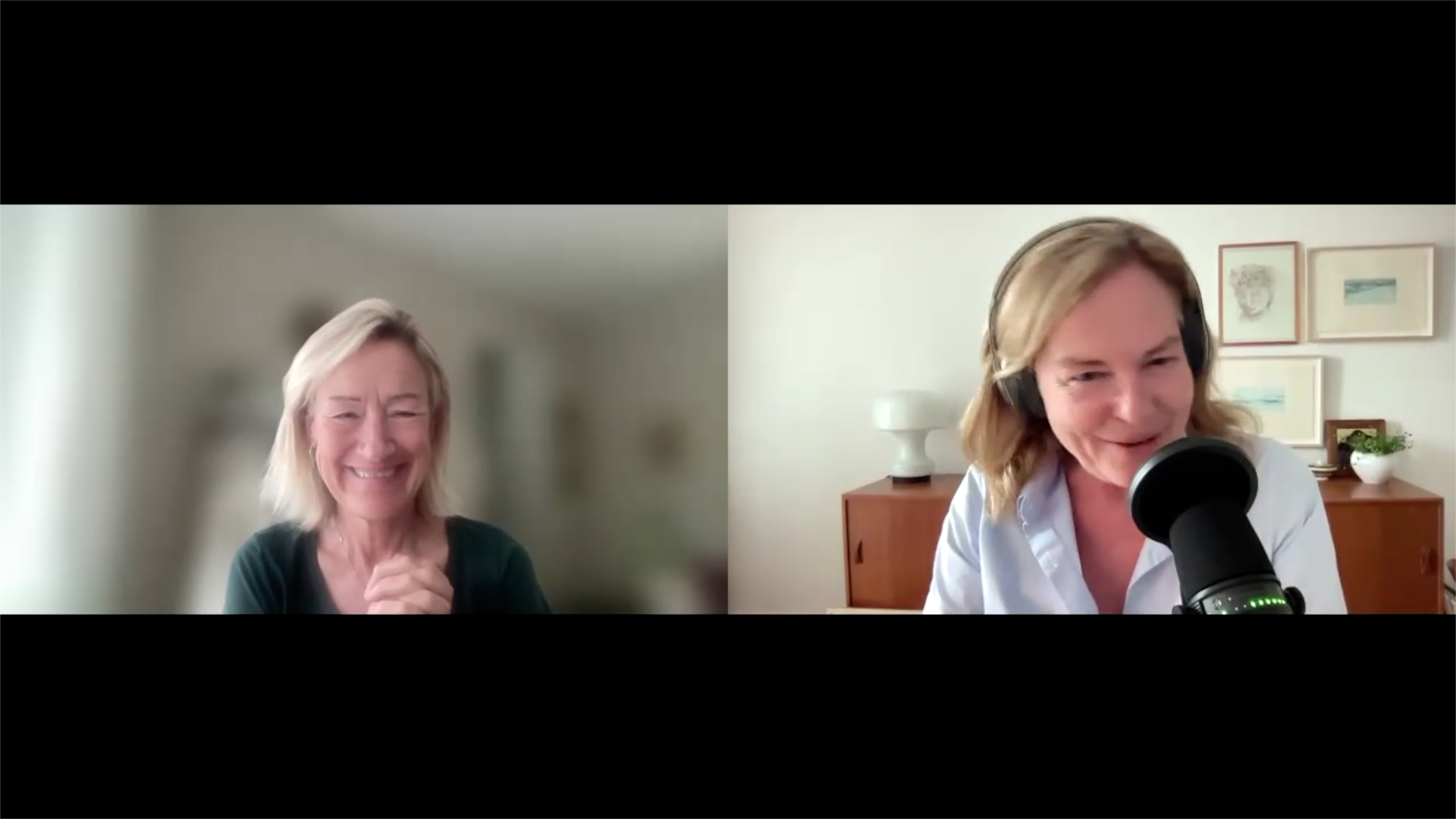
Christina Blecher, originally from Sweden, shares, how a gap year spent in Peru has lead her to co-founded the non-for-profit Greenlamp in Switzerland, to support the development of midwifery in Ethiopia. Christina formed the roots of Greenlamp in 2012, after gathering 12 friends to discuss the book “Half the Sky …” by Nicolas Kristof and his wife, with a vision of a bright future for women, girls, and their families. The organization operates in Ethiopia, supporting midwifery education, solar energy access for health centers, and alumni leadership development. Over 14 years, Green Lamp has contributed to more than 1.3 million births assisted under solar-powered conditions and supported approximately 84 midwifery students in Bachelor of Science programs.
Listen
About Our Guest
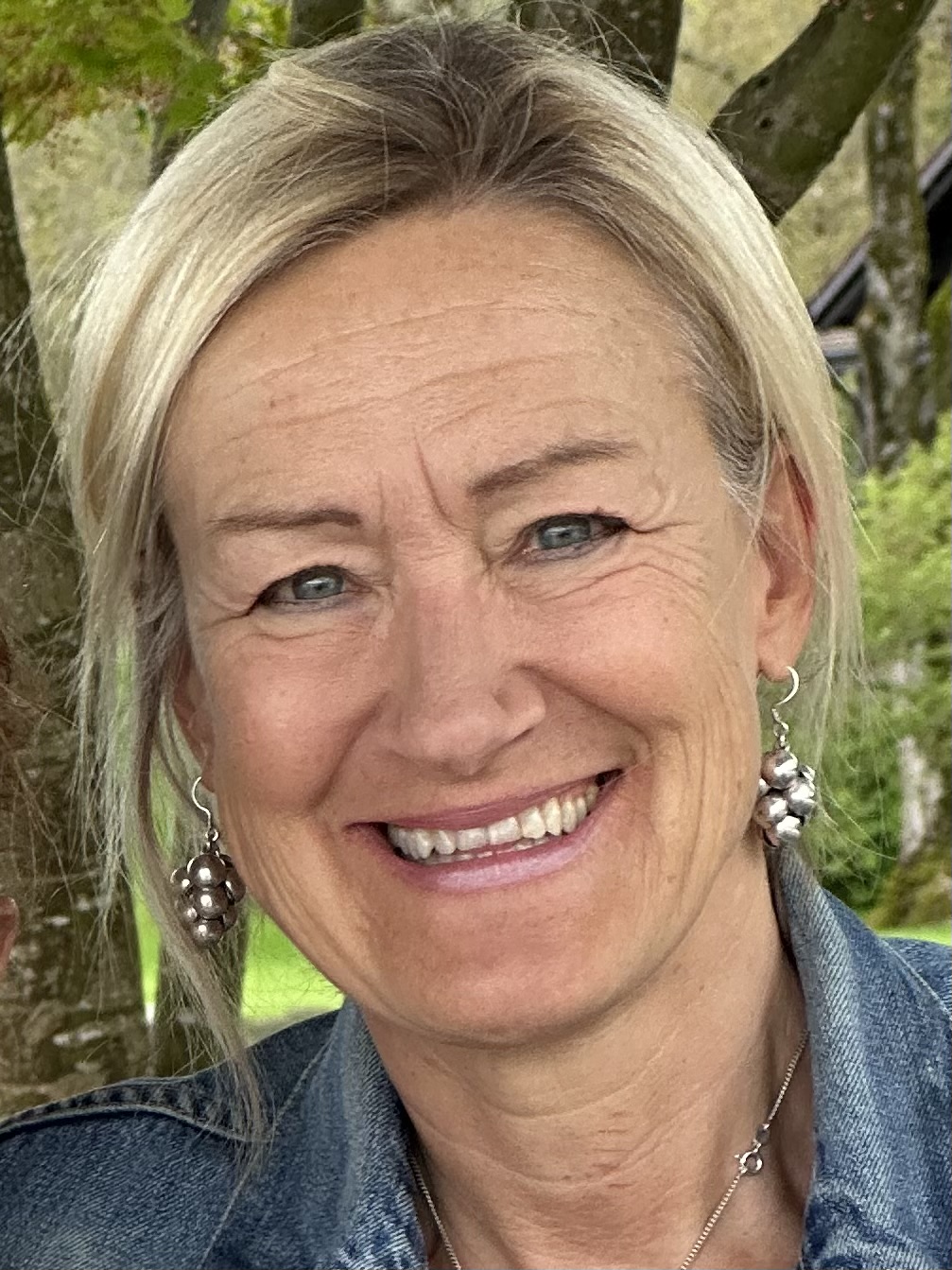
Christina Blecher
FAMILIE
Verheiratet
Vier erwachsene Kinder
NATIONALITÄT
Schwedisch
AUSBILDUNG
Stockholm School of Economics – Ba BA, 1980-1983
Lundsbergs Skola Studentexamen (Matura), 1979 Weitere Ausbildungen und Kurse
Ernährungscoach
Gewaltfreie Kommunikation
Mediation
ERFAHRUNG
Greenlamp, Schweiz /Äthiopien:
Initiantin, 2012
Gründungsmitglien, Nov 2012
Präsidentin, 2012-2022
Vorstandsmitglied 2022-2025
Ehrenmitglied des Vorstands, 2025-
Soroptimist International Club Zürichsee & Schweizer Union:
Gründungsmitglied SI Club Zürichsee, Juni 2013
Einsatz für die Wiederaufnahme von zwei ausgeschlossenen Clubmitglieder, 2016-2017
Ämter:
Mitglied Projektgruppe, Mitglied erweiterter Vorstand, Ersatzdelegierte und Delegierte, 2013-2019
Mitglied OK 10 jährige Jubiläumsfeier, 2023
Vize Programmdirektorin Schweizer Union, 2023-2024
Stipendien & Mentoring Kommission Schweizer Union, 2025-2026
Dargebotene Hand 143, Zürich:
Telefon Begleitung, 2013-2025
Chat und Mail Begleitung, 2022-2025
Gemeinde Herrliberg:
Deutschunterricht für Flüchtlinge, 2015-2020
Schwedischer Schulverein, Zürich:
Mitgründerin, 1992
Kassiererin & Lehrerin, 1992-1995
IBM Sweden, Stockholm, 1984-1991
United Nations International Development Organisation (UNIDO), Wien, Jan-Aug 1984
SPRACHEN
Schwedisch, Deutsch, Englisch, Französisch, Spanisch
About Your Host
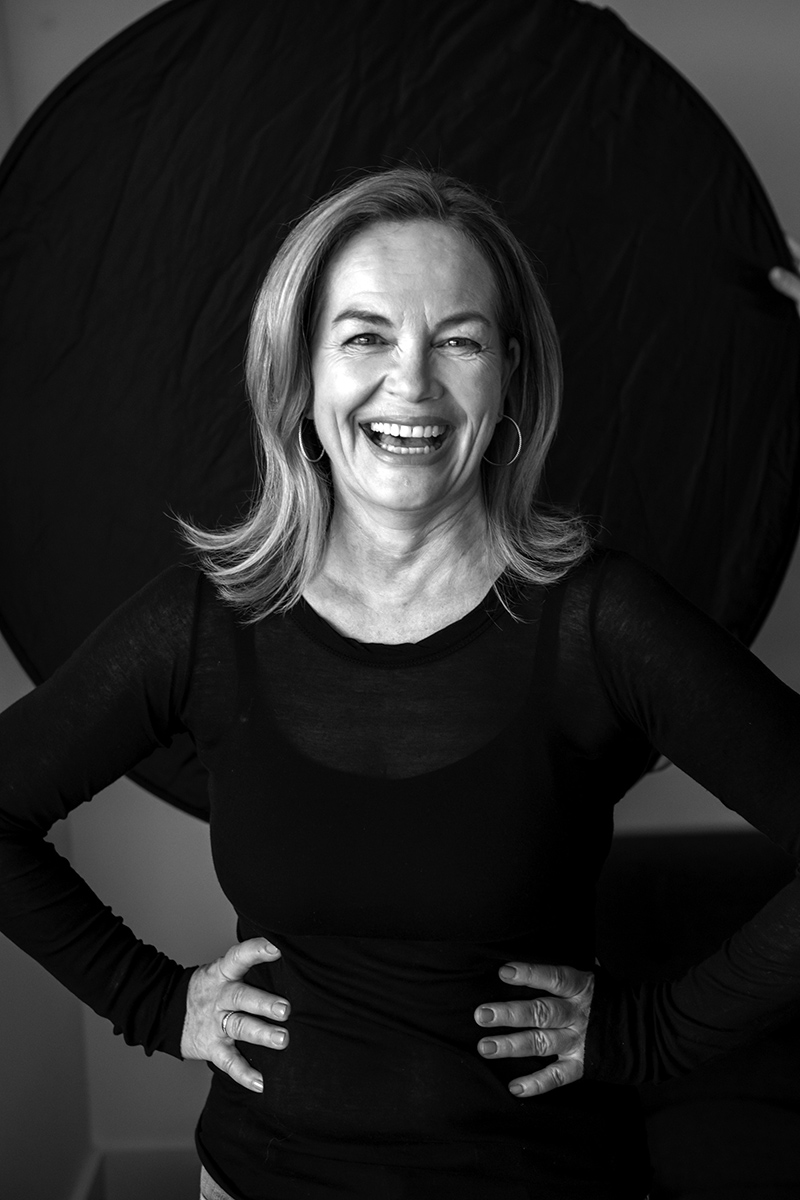
Claudia Mahler is a creative activist, with more than a decade of experience curating meaningful conversations for women in business, art and education in Europe and the United States.
She designs events for women’s empowerment that emphasize organic connection and conversation to complement existing professional development training in a variety of work environments.
She has 20+ years of experience in communications and PR in Europe and the East Coast of the United States.
Transcript
Christina Blecher
00:00:02:11 – 00:00:24:05
Christina
When I was in my gap year, my pants were improved. So I went there and they really discovered such a big difference between people, you know, how their living conditions and poverty and, you know, women, children, men as well, of course. I mean, it was just horrendous. And I just thought, no, I want to do something sometime in my life.
00:00:24:05 – 00:00:53:01
Christina
That was really something. My dream, a dream that I’ve had for many, many years. And when my youngest children were around 12, I read this book. One of the reasons I read it was to how to change the world. You know, what can I do? So it’s the title over already inspired me, I think. And then I said, now or never, let’s do it.
00:00:53:03 – 00:01:16:12
Claudia
Hello and welcome back to Shift Happens. I love the story you will hear today. And of course, I love all the stories shared in my conversations around 15 years ago. My guests, Christina Blecher, originally from Sweden living in Switzerland, was deeply moved by Nicholas Kristof and Sheryl Wu done this book, half the Sky How to Change the World.
00:01:16:14 – 00:01:59:09
Claudia
Christina bought 12 copies of the book and gave it to a group of friends. They all wanted to figure out a way to make a difference. Four of them dove deeper into the subject. The discussion of the book’s important research on turning oppression into opportunity for women worldwide was the stepping stone for their Swiss nonprofit, Green Lamp. Greenland was registered in 2012, and their focus is educating midwives in Ethiopia, running health centers sustainably with solar power, establishing exchange programs between Ethiopian and Swiss midwives, educating midwifery students, leadership, communication and marketing skills.
00:01:59:11 – 00:02:29:11
Claudia
In the past 14 years, Greenland has supported 1.3 million births in health centers functioning on Greenland solar power. Listen how Kristina shares what it takes to bridge intercultural differences and traditions, and how to build trust.
00:02:29:13 – 00:02:59:08
Claudia
So welcome to Shift Happens. Christina a pleasure. Thank you. I’m so excited that it finally worked out for us to get together and do this, do this conversation. I’m really curious about your story, about the foundation and organization that you founded together with other women and and what you’ve done and how you pivoted into this career of doing good.
00:02:59:10 – 00:03:04:18
Claudia
And, before we get started, I wanted to ask you a few questions.
00:03:04:20 – 00:03:05:21
Christina
So I think.
00:03:05:23 – 00:03:08:13
Claudia
Still are sparkling.
00:03:08:15 – 00:03:17:13
Christina
Still or sparkling stuff actually a mix. So, I like it. Not too sparkling. So I usually make Stillwater.
00:03:17:15 – 00:03:19:02
Claudia
We have leisure.
00:03:19:04 – 00:03:20:04
Christina
Leisure.
00:03:20:06 – 00:03:25:06
Claudia
Leisure and, ice cream or sorbet.
00:03:25:08 – 00:03:27:11
Christina
Ice cream.
00:03:27:13 – 00:03:30:14
Claudia
Mozart or Beethoven?
00:03:30:16 – 00:03:32:21
Christina
Mozart.
00:03:32:23 – 00:03:38:00
Claudia
Can you remember something last week that made you laugh?
00:03:38:02 – 00:03:50:07
Christina
Yes. I laughed the whole time my sister was here. We had such a fun time, but no specific moment. We would laugh. Kind of. Yeah, I think.
00:03:50:09 – 00:03:54:11
Claudia
My sister arrives tomorrow, and I think that will be the same.
00:03:54:13 – 00:03:57:21
Christina
Wonderful sister who is great, right?
00:03:58:00 – 00:04:07:01
Claudia
Sisterhood is great. Yes.
00:04:07:03 – 00:04:35:03
Claudia
And sisterhood is great. That brings us actually to your to your story. I mean, it’s incredible what you have moved and what you have built, and I can imagine that. So your biggest inspiration was, you said a book by Nicholas Kristof and his wife Sheryl, who done half the Sky How to Change the World Turning Oppression into opportunity for Women Worldwide.
00:04:35:05 – 00:04:42:15
Claudia
And that is a book that you read. And I think when you started reading it, you didn’t know what would come from it.
00:04:42:17 – 00:04:54:18
Christina
Oh, no, definitely not. But I think one of the reasons I read it was to how to Change the world, you know, what can I do? So it still the title over already inspired me I think.
00:04:54:20 – 00:05:02:18
Claudia
And then can you then just share a little bit how you decided to take action and what action you took.
00:05:02:20 – 00:05:32:19
Christina
So what happened was that maybe just a little bit about my background if that’s okay that I should. Yeah. Yeah. In Peru when I was we moved around the world around a lot. And when I was in my gap year, my parents were in Peru. So I went there and there really discovered, such a big difference between people, you know, how that living conditions and poverty and, you know, women, children, men as well, of course.
00:05:32:21 – 00:05:59:22
Christina
I mean, it was just horrendous. And I just thought, no, I want to do something sometime in my life. And, I actually also, you know, at some point, tried to apply to different organizations as well. I was at the United Nations as a trainee. But then, you know, life happens. You you need to earn money and, you know, you go your life and and but that was really something.
00:05:59:23 – 00:06:23:07
Christina
My dream. A dream that I’ve had for many, many years. And when my youngest children were around 12, I read this book. And then I said, now or never, let’s do it. So I bought this book for 12 of my friends who we meet every month since 1994. We meet every month at each other’s house and have different activities.
00:06:23:11 – 00:06:51:15
Christina
Wow. And, that activity in 2012 for me was I asked them to read this book, and then we met at my house, and from that evening, Green lamp was, you know, but born. You say born because I mean, we didn’t know the name at that time. We didn’t know. Yeah. The mission, the vision. We wanted to do something for women and girls that we knew that evening.
00:06:51:17 – 00:07:21:15
Christina
And then, we we made a small group. We with 12, usually the group of 12, but four of us started, working group and to, you know, do some research and check what is possible. Where is the most likely we can make an impact. And you know, we all had children, so maybe not too dangerous. No, we we said okay, maybe not trafficking but maybe something both education and health, which are the two key factors for women.
00:07:21:15 – 00:07:22:23
Claudia
Yeah of course.
00:07:23:01 – 00:07:38:07
Christina
And also for women, but also for their families. Because if the women are thriving, the family and the community is thriving. So yes, it was like, we thought we have the right concept. And it’s really turned out to be an amazing concept.
00:07:38:09 – 00:07:41:06
Claudia
Okay. And the concept.
00:07:41:08 – 00:07:48:08
Christina
The concept is okay. So the concept is learn like.
00:07:48:08 – 00:07:49:05
Claudia
Lead.
00:07:49:07 – 00:08:17:19
Christina
For midwives in Ethiopia. So we have three pillars. The, I mean, the vision is a bright future where women and girls and their families. But the actual activities, the projects the program are, is like learn like lead and learn is that we support the education, of midwives in Ethiopia at the best existing school.
00:08:17:19 – 00:08:50:23
Christina
So we support three schools that are, you know, educating or training midwives to become, to have a bachelor of science in midwifery. So they, they are four years studies with lots of practice, and they need to have done at least 50 births or supported births with women. During their education. And this is very specific. And many of them do more as well, even over 100.
00:08:50:23 – 00:09:13:08
Christina
They’ve done. So it’s, it’s amazing. It’s really helping because they, in their turn become role models, not only for the women and girls in the communities when they work, but also for other midwives who are educated in, the states, universities who have like big classes, no possibility to practice in the same cells as we as a as the schools we support.
00:09:13:08 – 00:09:33:12
Christina
So this is and we also have a very good, relationship. We have an an education or an exchange program with the Winterthur Midwifery Institution at the center of a, hotel and city hall have here and given to this and chuffed. So Zurich and University.
00:09:33:13 – 00:09:35:17
Claudia
University for applied science. Yeah.
00:09:35:22 – 00:09:36:09
Christina
Exactly.
00:09:36:09 – 00:09:37:06
Claudia
Yes.
00:09:37:08 – 00:10:13:03
Christina
So and then we’ve had exchanges. They have come here the I mean some of the teachers and one student actually was able to come here. Then it was over for the visas for the students. But the chil but teachers can still come, and then we also have sent to, teachers and students to Ethiopia. So we also work, you know, with the pelvic breathing, workshops to work with Nonviolent communication and leadership workshops as, extract curriculum, that are part of the master plan of the college.
00:10:13:08 – 00:10:24:19
Christina
So, we do a lot of things in addition to, the actual curriculum that they have, which is an Ethiopian state curriculum, you know? Yeah, they need to have them.
00:10:24:23 – 00:10:30:03
Claudia
And I, I’m, I’m wondering there must be cultural differences.
00:10:30:05 – 00:10:52:15
Christina
Yes. So I just I mean, we learn like, lead. So I just started with the learned I got a lot. But like light is our solar systems that we gave to them people. The health centers where the midwives work and lead is our alumni program with leadership training and so on. So, yes, there are cultural differences, obviously.
00:10:52:16 – 00:11:09:13
Christina
And, everything takes time. So that’s one thing. And it’s also quite, we have to be conscious about the cultural differences. That’s it. It’s it’s quite
00:11:09:15 – 00:11:21:19
Claudia
Was that okay? It was that very challenging in the beginning? I mean, how did you start? Did you fly to Ethiopia and you decided on one school and you said hello? We. Yes, because we want to support you.
00:11:21:22 – 00:11:49:21
Christina
There was an example of a school. Oh, okay. Yeah. So that’s why we started with that school, the, the, Harlem College of Midwives, which is part of it. And how many fistula Ethiopia. And so and we start we wanted to do prevention of birth, deaths and and I say in English, more morbidity, morbidity and mortality.
00:11:49:23 – 00:11:51:19
Claudia
Oh yeah. Yeah, yeah, yeah.
00:11:51:19 – 00:12:08:01
Christina
And so we work only with the prevention part of this, but they also do a fistula, reparations, repairs, surgeries. Not that the school, but it’s part of the same organization. And so what was the you mentioned. No.
00:12:08:02 – 00:12:19:16
Claudia
No. My question was yeah. How the cultural differences, what they were I mean can you say a specific example. And how did you overcome this.
00:12:19:18 – 00:12:43:23
Christina
Well if you say cultural it’s, it’s of course it’s cultural in no sense. But it’s also. Yeah. And we adapt. We just try to adapt. You know, we work with needs the we try to, to talk and discuss what needs they have and what what do they want to fulfill their needs and and we look is this possible for us.
00:12:44:01 – 00:13:16:20
Christina
We’re quite flexible. We can you know, now we’re for instance, doing a project which is hopefully happening soon, which is not started yet, but with ultrasound, mobile ultrasound in the rural areas. And this is something we have really seen. This is a need. And yes, we do it, but we do it really carefully. We need to adapt to, you know, we have to have collaboration with the regional health bureaus, with the partners, in the rural areas.
00:13:16:20 – 00:13:29:00
Christina
So we really need to have the we say in Swedish talk tonight. It means that you have to have dry feet. You know, you have to have you have to have all the things in place before.
00:13:29:00 – 00:13:29:17
Claudia
You.
00:13:29:18 – 00:13:56:11
Christina
Start a new project, because otherwise and that of course, we’ve learned with experience because, we were you know, this has been a learning curve for us, immense learning, Claire, but I don’t think I can pinpoint any cultural differences that made our life challenging, except that everything takes probably more time. But that can even happen here. You know, with the with, municipality administration.
00:13:56:12 – 00:13:58:11
Christina
Government, I mean. Yeah. So.
00:13:58:12 – 00:14:06:14
Claudia
Yeah. Yeah, I just was wondering, because if you go into the rural areas and I mean, do they still live then? Tribal?
00:14:06:18 – 00:14:07:04
Christina
Yes.
00:14:07:05 – 00:14:13:23
Claudia
Formations. And how do they do? They have special rituals about for a woman.
00:14:13:23 – 00:14:15:09
Christina
Oh yeah. Yeah. But that’s you.
00:14:15:11 – 00:14:22:17
Claudia
Oh, is it very just, you know, mechanical kind of. Let’s get them out and, you know, let’s get on with it.
00:14:22:19 – 00:15:02:03
Christina
And what they do is they, they, they, you know, in the way the Ethiopian government has decided that every woman should give birth in an institution like a government institution, which is a health center for the where the midwives work. But, you know, if you if so, our one of our missions is to support the midwives that we work with to be empathic and and really compassionate, because otherwise, if there is not trust between the midwives and the women in the communities, the women won’t come and, and and this is and they won’t come.
00:15:02:03 – 00:15:23:21
Christina
If there’s no light, they won’t come if there’s no midwife as well. Of course. But if the midwives is there, the light is there. And the the midwife is not compassionate or has a lot of empathy, they won’t come because they used to to give birth in their, small huts and, and with all their female relatives around.
00:15:23:23 – 00:15:27:15
Christina
And also a traditional birth attendant.
00:15:27:17 – 00:15:28:10
Claudia
Wow.
00:15:28:12 – 00:15:53:12
Christina
But of course that, that is probably good and well for all the natural births that go well. But if you have a critical birth then it’s important to go to antenatal care at the health center. It’s important to go to and then when it’s decided it’s a critical birth to really come to the health center for the birth because otherwise you don’t know what happens.
00:15:53:14 – 00:16:11:11
Christina
So I think this is one of our key key learnings and also key project, you know, visions is that to make more women come to the health centers. So to reduce the morbidity and mortality.
00:16:11:13 – 00:16:18:03
Claudia
And are they accepted within the villages when they decide to come to the health center.
00:16:18:05 – 00:16:46:10
Christina
They are accepted in the sense that they’re placed there by the government. So they need to do a lot of work to get the trust of the community. So they do a lot of outreach work. They don’t only inform the pregnant women, they also do, you know, vaccinations, they do contraception, you know family planning. They also do a lot of other things, nutrition for the babies and the mother.
00:16:46:10 – 00:17:05:20
Christina
And so they do many different things, which is part of their, work, actually. But, if they want people to listen, they, they can’t just say, this is the way you have to do it. They have to be with, you know, have this very, empathic connection.
00:17:05:20 – 00:17:07:06
Claudia
Empathic connect, create.
00:17:07:06 – 00:17:08:03
Christina
That.
00:17:08:05 – 00:17:13:16
Claudia
Yeah. Yeah. Wow. That’s that’s really a big endeavor.
00:17:13:18 – 00:17:31:03
Christina
It’s a big endeavor. And, I actually, know from, from statistics that I’ve gotten from the Ethiopian Midwifery Association that one of the reasons people women don’t go to the health center is exactly this that we work so hard with.
00:17:31:05 – 00:17:45:08
Claudia
Yeah. Yeah. I mean, I can’t imagine if it’s custom to give birth with all the relatives around. They suddenly probably feel cut off. It’s like why is she going away. We all do. They all come with her.
00:17:45:10 – 00:18:09:00
Christina
They come definitely. If it’s not too far away the husband usually comes. My experience, you know, I can’t talk for every woman in Ethiopia, but my experience is that the husband comes. If they had to walk along the way and all the relatives come so many as possible, but they have to wait outside. They can’t be with her during the birth because that’s the only the midwife who’s allowed.
00:18:09:02 – 00:18:18:06
Christina
So, it’s about really establishing this human trust between the client. They call it the mother.
00:18:18:09 – 00:18:29:16
Claudia
Yeah. And it’s, community. Because if this woman chooses to go to the health center and then returns, will she be welcomed like normal? And, I mean, I have no idea.
00:18:29:16 – 00:18:50:14
Christina
I’m. It’s. Yes. I guess it also depends, you know, it depends actually on if, the midwife has made this lobbying on the village, you know, she has to visit the village head. She has to, you know, you know, introduce herself and be there for them and ask them what they need. And, you know, it’s really about the human connection.
00:18:50:16 – 00:19:04:03
Christina
And I, I love it I think it’s amazing. I love to also to work with these young women who are so passionate about helping their sisters in the rural area and yeah, yeah it’s amazing.
00:19:04:05 – 00:19:11:16
Claudia
And so great lamp has been on now, switched on for 14 years.
00:19:11:20 – 00:19:14:09
Christina
Yes. 1312. Yeah. 2012.
00:19:14:11 – 00:19:20:00
Claudia
Yes. So do you have some numbers what you’ve kind of accomplished in that time?
00:19:20:00 – 00:19:51:16
Christina
Yes. We have a great impact report, you know, which is being updated at this moment. And, I mean, the total number of students is about I think it is that we have support or support, which is a four year program which is quite big. And, so I think we have 84 students, and then we give in addition to that, we have give training in normal and of communication and leadership and all these trainings I mentioned from the onset of a and other things, pelvic floor training.
00:19:51:18 – 00:20:14:20
Christina
We give it to all the students in the final grade. So not only the ones we support. So these are like a couple of hundreds or even 400, I think, at this time. And then, yeah, we have some, some also statistics about how many births and how many deliveries have been made with a midwife and a solar system that we have supplied.
00:20:14:22 – 00:20:21:19
Christina
And that’s, I think now I don’t have the latest figure because it’s being updated, but over 1.3 million.
00:20:21:21 – 00:20:22:15
Claudia
Wow.
00:20:22:19 – 00:20:49:18
Christina
Yeah. Where with our solar systems. Because of course it’s not only the midwives we educate, we help educate that are actually using the system. But it’s the health center where she works and other health centers. The criteria we have for this solar system is that they need to have a BSc midwife, BSc as a Bachelor of Science in midway for me.
00:20:49:20 – 00:21:02:23
Christina
Midwives there at the health. So I think we have over 300. Yeah. We have 300 and over 330 systems out there. Wow. Yeah. It’s that’s a lot of work.
00:21:02:23 – 00:21:09:10
Claudia
That’s incredible. And you have been the president of the organization for ten years. Is that right?
00:21:09:12 – 00:21:17:07
Christina
I was for let me see. Was it in 23? Yeah, for 11 maybe. I’m not sure. 10 or 11, I think 11, yeah.
00:21:17:09 – 00:21:23:23
Claudia
And is it a work that also has been exhausting or frustrating, or has it always been?
00:21:24:01 – 00:21:50:17
Christina
No. Of course. Sorry. No, it’s been very, it’s been challenging, but it’s always been rewarding. So, it’s been challenging in Ethiopia, but also, you know, the learning curve to watch, you know, even we had no clue. You know, we were jumping into cold water real cold. But, you know, we were also enthusiastic. And now the board is different.
00:21:50:19 – 00:22:19:04
Christina
It’s been challenging, but we’ve always managed to get new people because people, you know, they go on with their lives and, and and, they move, they move away or and so it’s been amazing how this organic growth has happened. And we still work all pro bono which is people can my thing is not I mean we hear that a lot that might you do that.
00:22:19:06 – 00:22:42:04
Christina
But you know this is our concept and we have of course, project team members in Ethiopia, we work with and we have lots of volunteers, especially, you know, both for fundraising and project work and, communication as well, or, you know, social media. And we have young, young, young women who help us with that.
00:22:42:08 – 00:23:07:21
Christina
You know, it’s about this, yeah, this passion to contribute and also to know what you contribute to because we are so small. So you can really see what’s happening. And that’s I think also a big difference to larger organizations. Yes. But our concept is actually scalable. But we probably won’t do it ourselves. But people can’t just copy paste and.
00:23:07:23 – 00:23:31:15
Christina
Yeah. One thing is actually amazing I think because we discovered we thought you know we install the solar systems and then the region I help us take care of them. You know the health centers take care of them. They make the repairs whatever change batteries whatever. It’s nice to clean the solar panel, but, nothing happened. So suddenly we had systems that didn’t work anymore.
00:23:31:16 – 00:24:04:15
Christina
So we started a sustainability program with maintenance, with check ups, with, you know, telephone, help. And so we set up a whole program, for this, which is quite unique because this is not how usually, these big organizations work. Yeah. So I was actually shocked. In 2014, we went to install the first, solar system in Amhara in the northern region of Ethiopia, one of the northern regions.
00:24:04:16 – 00:24:29:22
Christina
And we went to a health center. And then we walked or we drove to a health post. So the health center has 25,000 in catchment area. And then there are health posts with 5000 catchment area where a health extension worker works. Okay. So she’s like taking care of all the health. That is not really dangerous.
00:24:29:23 – 00:24:30:14
Claudia
Like a nurse.
00:24:30:14 – 00:24:59:05
Christina
But not not to midwives work so not to enter. They cared all these things. So we went there and met her and her colleague and we discovered two delivery beds, all in plastic. Never use. They have been there for, I don’t know how long a year at least. And then in the health center, which was all but was yeah, they got to build a new one, but still they were rusty beds rest, they all deliver beds.
00:24:59:07 – 00:25:23:14
Christina
And then I said, what is this? So then this thing with maintenance came up you know. This is not the way we want to work. One of our values is its inabilities. We’re not going to work like this. So then you know we had to we had to, we wanted to do the maintenance program and the sustainability program because that’s the only way we can guarantee that the money is used in the way we want it.
00:25:23:14 – 00:25:24:06
Christina
00:25:24:08 – 00:25:24:22
Claudia
Yeah.
00:25:25:00 – 00:25:28:14
Christina
And for our donors also you know we want to be sure that.
00:25:28:16 – 00:25:40:11
Claudia
Yeah of course. Yeah that’s fascinating. No I mean it’s fantastic that you say smaller and still move so much. I mean 1.3 million.
00:25:40:13 – 00:25:41:14
Christina
Yeah. It’s quite.
00:25:41:15 – 00:26:07:10
Claudia
Incredible. Incredible. And what I also wanted to know from you, you have a number of children. Yes, I think four. Right. Or. Yeah. Or what was their reaction to your work and your focus on this African country? And, how did they receive this?
00:26:07:12 – 00:26:29:02
Christina
Very well, very supportive. And actually, my second daughter, Veronica, she came with me in 2004 and 13, the first time I visited Ethiopia. So she took a lot of she likes to she’s a documentary filmmaker now, but but she’s, she loved to take photographs at that time. So we made a photo book and, you know. So,
00:26:29:04 – 00:26:52:03
Christina
Yeah, she’s still. She was very engaged for a while, you know, and also in, in Greenland now and then she made her own project in the film in the north of, in Tigray, which has had a civil war and women and who have been violated sexually by soldiers. So she has a have made a documentary film about that.
00:26:52:05 – 00:27:12:03
Christina
And, so she she’s still into Ethiopia. She has lots of it. European friends. So that’s really fun. The others have not been, actually, but they were very supportive at the events, at the fundraising events. You know, they say, yeah, if we have lottery or, you know, the always there and supporting and yeah.
00:27:12:05 – 00:27:19:04
Claudia
Fantastic. Have you, ever had contact to Nicholas Kristof and told him about.
00:27:19:04 – 00:27:24:06
Christina
I, I wrote actually, okay. He never answered.
00:27:24:08 – 00:27:25:20
Claudia
Well, you know, they’re busy.
00:27:25:22 – 00:27:34:02
Christina
They’re busy trying to that you. Maybe that’s a good thought. Maybe I should, try again because this is a fruit of his book. Actually, it is.
00:27:34:03 – 00:28:08:22
Claudia
It is? Yeah. And I’m sure it’s. Yeah, I’m sure he will recognize and notice that this is amazing. I love that story. I really do write. It’s very inspirational. And, you know, if an idea and a spark of inspiration is there not on the surface, as you said, you know, when you lived in Peru, you had this experience and suddenly it became, you know, clear to you of the of the, unfairness that exists and then to be able to build this and live this, that’s that’s really fantastic.
00:28:08:22 – 00:28:09:14
Claudia
Yeah.
00:28:09:16 – 00:28:15:03
Christina
I couldn’t have done it alone, you know, of course there are many who have built it together.
00:28:15:05 – 00:28:20:05
Claudia
Yes, yes. Now, isn’t it an African saying it takes a village?
00:28:20:07 – 00:28:25:02
Christina
Yes, yes, yes, it takes a village to educate a child.
00:28:25:04 – 00:28:34:16
Claudia
Yeah, exactly. So you originally are from Sweden? Yes. Correct? Yes. Yeah. But now you’ve been living for a long time in Switzerland.
00:28:34:16 – 00:28:42:10
Christina
Since 1991. I was pregnant with my eldest daughter, who is now home. Additional to 34 of them, right? 34.
00:28:42:11 – 00:28:45:17
Claudia
Yeah. True. Yeah. Yes. Oh, wow.
00:28:45:18 – 00:28:47:22
Christina
Okay, so it’s a long time.
00:28:48:00 – 00:28:58:09
Claudia
It’s a long time. So you know the Swiss system. Good. And it’s great that you got this, this set. Have they in. Yeah. Yes. Into to a to collaborate. Yeah. Amazing.
00:28:58:09 – 00:29:17:05
Christina
And actually now the the dean who retired is working with us. She’s responsible for the learning pillar. Oh, that’s so that’s amazing. Yeah. Discreetly. And she, she that’s amazing. You know, and she has so much experience that she is really passionate about it.
00:29:17:07 – 00:29:53:07
Claudia
Yeah. That’s super helpful. So this season six I am speaking to women that are all working in the NGO field, started their own foundations or have created other movements. Yeah. To make the world a better place. And and how do you feel? I mean, the news, so full of everything else. And I really have the feeling that all these other areas of crisis and that are continuously in need, you know, they don’t get so much attention anymore because everybody focuses on, on on other areas.
00:29:53:09 – 00:30:05:07
Christina
Definitely. And war is always are acute, you know, like emergency. But it’s also a difference how you I mean, okay, it’s still you mean about the fundraising or what is.
00:30:05:09 – 00:30:08:07
Claudia
Yeah. In general. I mean, do you still get this?
00:30:08:09 – 00:30:28:04
Christina
First of all, I want to say that, you know, we focus on some wars, and then there are so many others we don’t focus on. We have no clue about it. I mean, one big example is, of course, Sudan, but also the north of the north of Ethiopia, the Tigray war, which was during the years where all these women were raped and mutilated.
00:30:28:04 – 00:30:58:12
Christina
And, you know, so all these things, you know, the media concentrates, like two countries right now. Right? It’s it’s, you know, yeah. Ukraine and Gaza or. Yeah, the Middle East and Iran obviously right now, but that we hope that that ends soon. But. Yeah. We don’t know anything about the humanitarian situation in Iran now something that has been totally forgotten, which I’m very upset about is Afghanistan.
00:30:58:12 – 00:31:17:20
Christina
You know, we have a half the population who are in in prison, you know. Yeah, they prison at half the population. And that’s also something that’s so shocking to me that we can just change, you know, that we just go back to the Middle Ages. Yeah. Without,
00:31:17:22 – 00:31:19:07
Claudia
Thought in no time.
00:31:19:10 – 00:31:19:23
Christina
You know, no.
00:31:19:23 – 00:31:20:09
Claudia
Time.
00:31:20:12 – 00:31:25:16
Christina
You know, all this progress that has been built. And then.
00:31:25:18 – 00:31:50:14
Claudia
Yeah. Yeah, yeah. That’s what I also thought about this war in northern Ethiopia with what happened to the women there. It’s really I was actually crying. Yeah. Because I thought this is unbelievable I mean here there are women all over the world fighting and doing and and and giving everything for the to make the situation for women safe and and livable.
00:31:50:14 – 00:31:56:19
Claudia
And then suddenly this happens. It’s, I yeah. Yeah. So. Yeah.
00:31:56:19 – 00:32:06:07
Christina
So that’s the men what they are afraid of because it’s about fear for me. You know, they’re scared about the women. They don’t. They’re scared that the women.
00:32:06:09 – 00:32:08:02
Claudia
And always have been. Yeah.
00:32:08:06 – 00:32:13:05
Christina
Oh, wait for me, it’s fear. So I wouldn’t not not that that helps, but.
00:32:13:08 – 00:32:14:15
Claudia
Yeah, yeah, yeah, it’s.
00:32:14:15 – 00:32:15:03
Christina
Very sad.
00:32:15:08 – 00:32:49:05
Claudia
Yeah. It’s very sad. But it also is, is a motivation to not give up and really, you know, focus. If we can share and if we can help to do so. Yeah. You’re right. So I really thank you that you shared this with me that I can share now with my listeners about Green Lamp. Yeah. Because I think it’s a wonderful story how an inspiration from a book discussing it with 12 women moving forward with four women ends up not ends, but evolves.
00:32:49:05 – 00:33:09:18
Christina
Yes. It’s like, yeah, you are. So, yeah, it’s going with the flow, you know, trying to adapt to the situations. And I think that’s you said somewhere I should recommend something. But I think that’s really, you know, don’t stress, just go with the flow, try to lean back and listen to people listen. What is the need.
00:33:09:19 – 00:33:19:01
Claudia
Listen. Yeah. What is the need. Okay. We will do. So thank you so much Christina for your time.
00:33:19:02 – 00:33:22:06
Christina
Thank you Cloutier for having me. Thank you so much.
00:33:22:07 – 00:33:26:03
Claudia
It was really nice to get a little bit of a peek into it.
00:33:26:06 – 00:33:27:01
Christina
Thank you so much.
00:33:27:04 – 00:33:29:19
Claudia
All right. All the best to you. Bye bye.
00:33:29:21 – 00:33:44:18
Christina
Bye bye. Take care. Hi.
00:33:44:20 – 00:34:13:07
Claudia
Adapt. Listen. Find out what is really needed. Be patient. This is how Christina, in hindsight, described how green lamps work successfully and impact fully unfolded to the present. Please check out their website w w w dot green lamp dot c h for their updated reports and insights.
00:34:13:09 – 00:34:30:21
Claudia
Thank you for listening to Shift Happens. Please follow and subscribe to this podcast. It’s an easy hit for you with a huge impact for me. It helps me grow even further and bring you more conversations with women from around the globe.
00:34:30:23 – 00:34:49:02
Claudia
Shift happens has been created and is hosted by me. Claudia Mahler editing. Andy Boroson, social media. Magda. I hope you felt connected and heard by listening to Shift Happens.
More Episodes of SHIFT HAPPENS
Angela De Giacomo: How To Lift Up The Next Generation: Create Opportunities For Teenagers
In this episode, Angela Di Giacomo, founder of Wunder Nova, shares her mission to connect teenagers with inspiring professional role models and broaden their career possibilities. She reflects on the organisation’s growth, overcoming major challenges, and empowering young people to approach their futures with confidence.
Margarita Forster: Seeing Things That Cannot Be Unseen
In this episode, Margarita Forster, founder of Fundación Avanzar, shares how a visit to a home for single mothers in Ecuador inspired her to start the foundation 25 years ago. She reflects on its evolution from fundraising to empowering women through vocational training, entrepreneurship, and handmade products.
Olga Berg: How People Work & Communicate In Times Of Crisis
In this episode, Olga Berg, linguist, former U.S. government interpreter, and humanitarian leader, shares her journey from diplomatic interpretation to frontline crisis response during the war in Ukraine. She also discusses her latest venture, Darcy Code, an AI platform designed to improve the precision of human communication.

Will You Leave a Review?
Reviews help podcasters build credibility on Apple and other networks!
0 Comments