
SHIFT HAPPENS | SEASON 6 • EPISODE 5
Lise Bruynooghe: When Your Child’s Illness Changes Everything: Career and Purpose
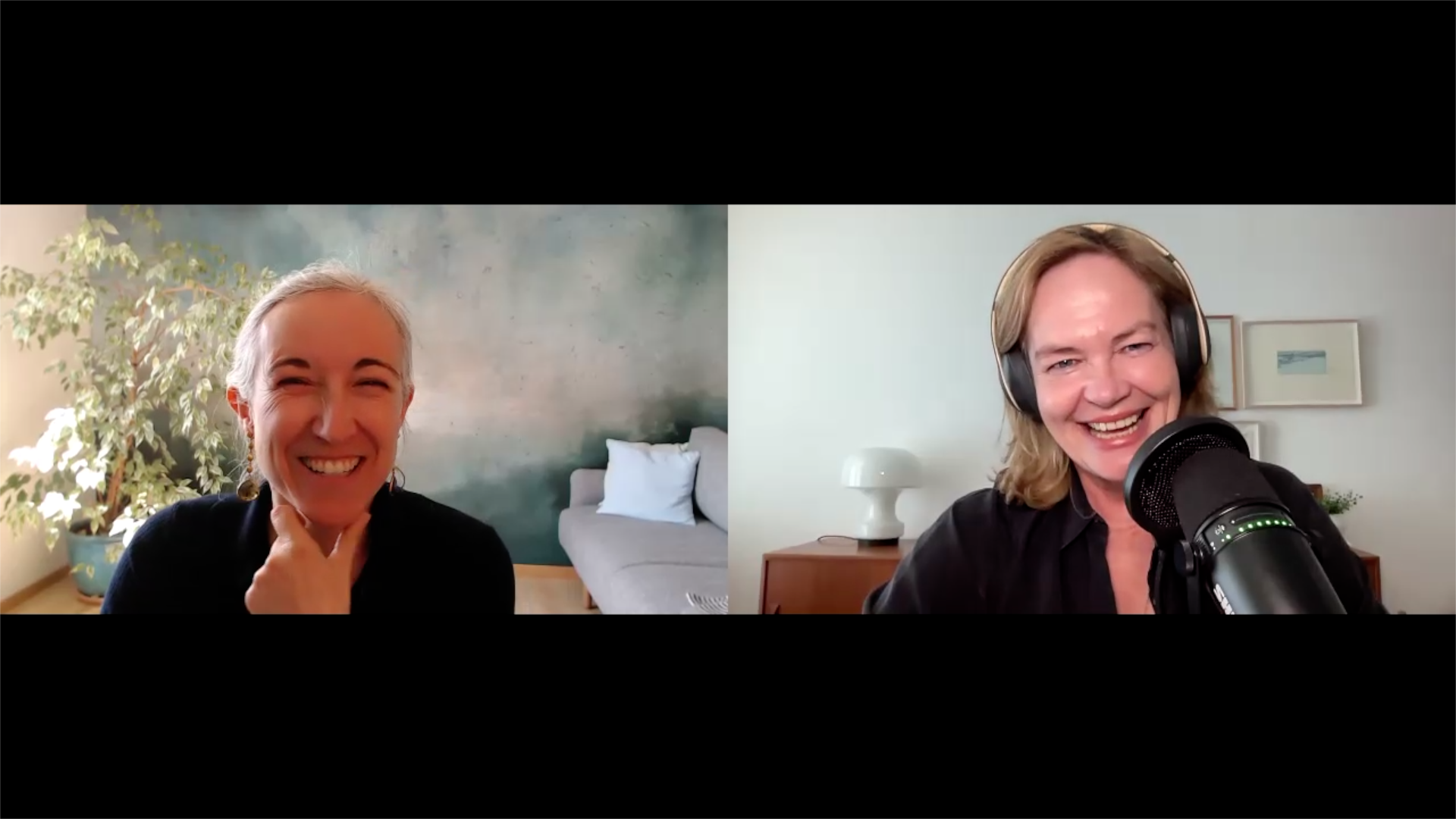
In this episode 45, Claudia is in conversation with Andrea Bury, based in Berlin, the founder of the Abury Foundation. Andrea is a multiple entrepreneur, strategist and moved from working in a male driven environment to living in Marrakech and empowering girls and young women. Andrea’s foundation supports and educates women, and helps them to live a confident and independent life.
Listen
About Our Guest
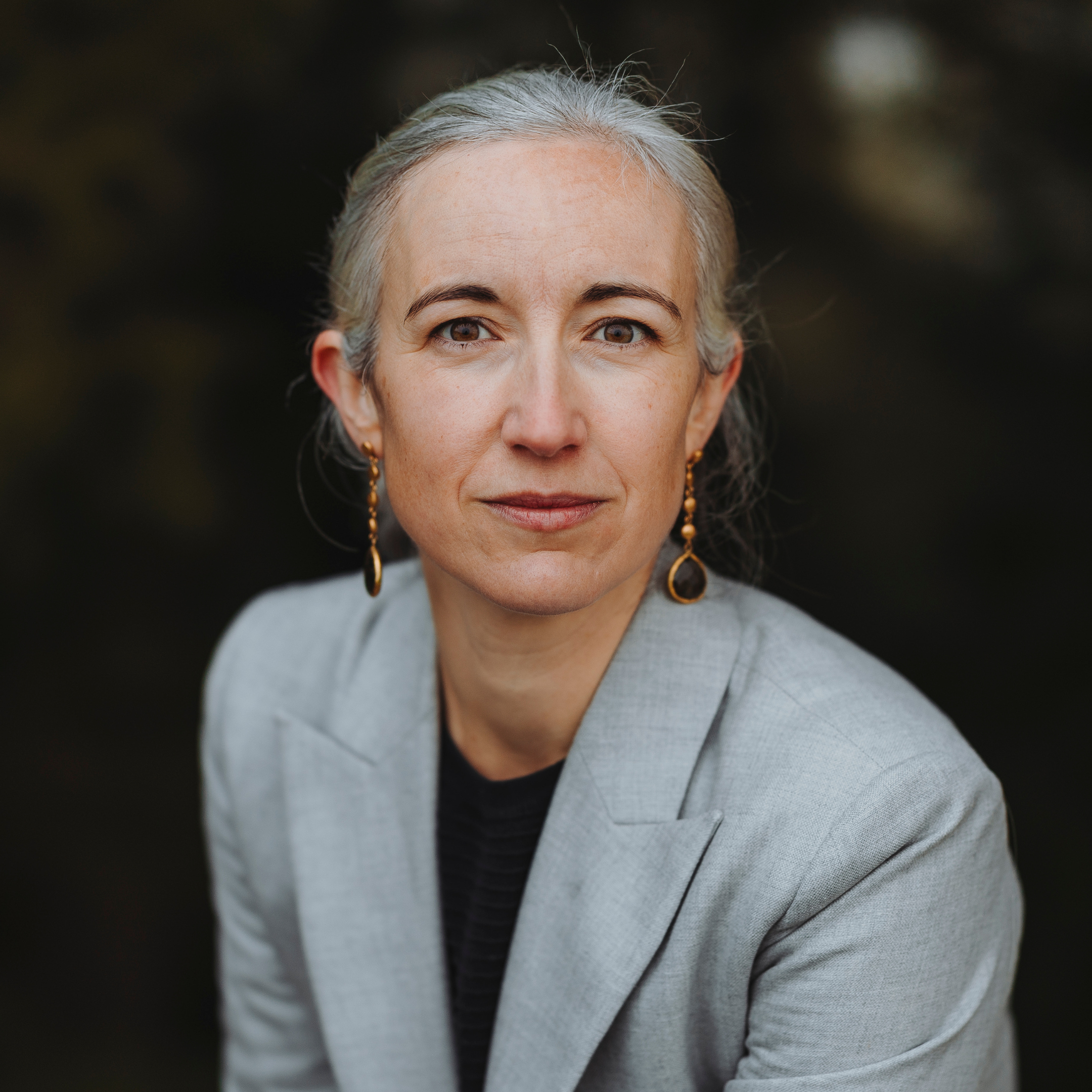
Lise Brynooghe
Lise Bruynooghe is an Executive Coach for fast-thinking, often unconventional leaders who navigate high-stakes complexity. Much like a world-class sports coach to elite athletes, she is known for creating lasting shifts in presence and impact through her work in the Swiss mountains and globally online.
A Master Certified Coach with the International Coaching Federation (ICF) and the European Mentoring and Coaching Council (EMCC) and former senior executive at the European Bank for Reconstruction and Development, Lise spent her career leading transformation in complex, global systems.
She currently chairs the ICF Global Enterprise Board, is the founder of the Lise Bruynooghe Academy, and is a globally recognised speaker on leadership, complexity, and systemic transformation, including on TEDx.
About Your Host
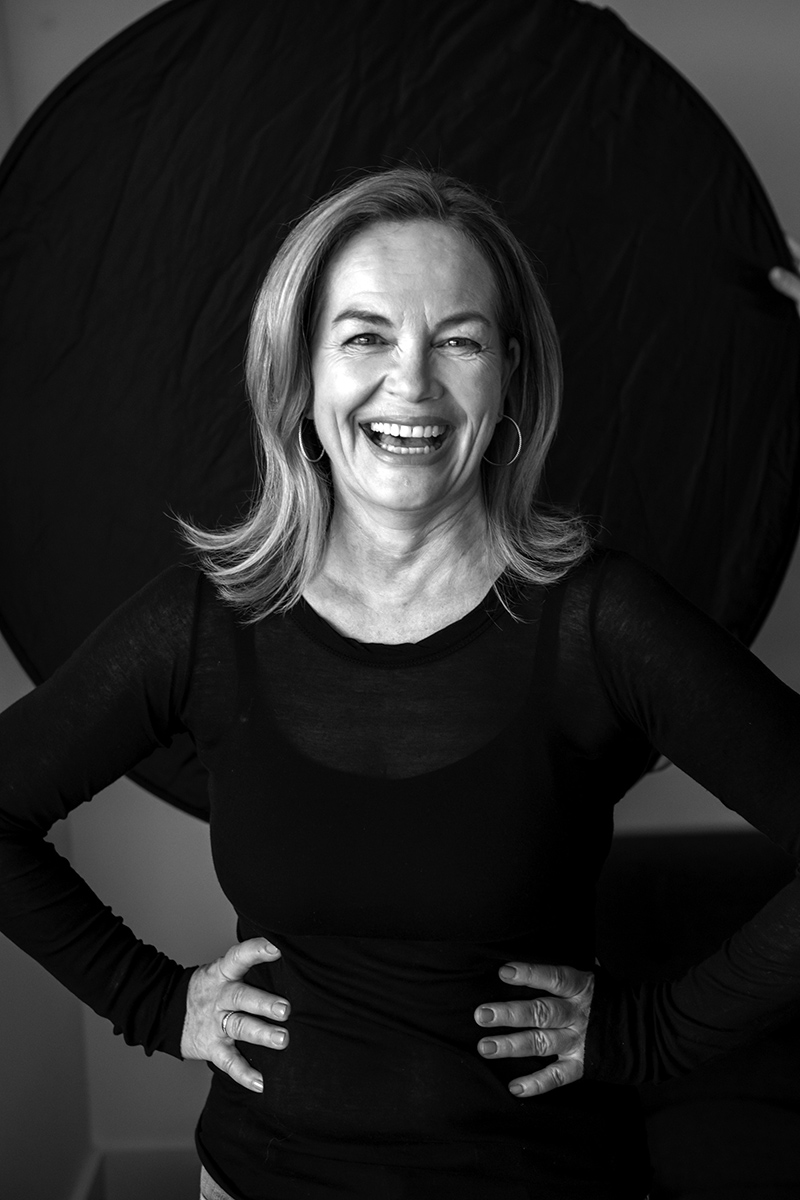
Claudia Mahler is a creative activist, with more than a decade of experience curating meaningful conversations for women in business, art and education in Europe and the United States.
She designs events for women’s empowerment that emphasize organic connection and conversation to complement existing professional development training in a variety of work environments.
She has 20+ years of experience in communications and PR in Europe and the East Coast of the United States.
Transcript
Lise Brynooghe
00:00:02:11 – 00:00:30:15
Lise
For this transition from employed to having your own business. The initial pivotal moment was our youngest son being diagnosed with cancer. Because that kind of forces you to reassess what’s important in life, and it’s opened up a lot of doors for learning. Let’s put it this way.
00:00:30:17 – 00:00:59:00
Claudia
Hello and welcome to Shift Happens. Today I’m in conversation with Swiss based international executive coach Lise Brynooghe. Lise shares with us how the cancer diagnosis of her young son and his intensive treatment shifted her entire self and how it deeply made her rethink life. She talks about why she left her stellar corporate career, and how she organically grew into an equally stellar entrepreneur.
00:00:59:02 – 00:01:24:12
Claudia
Listen to her findings, rules and views and community and of course, leadership. Learn from her question why it’s so simple yet with a profound impact.
00:01:24:14 – 00:01:49:16
Claudia
Hello, Lise. Welcome. I am excited that we’re meeting today. We are talking about pivotal moments in your life. Your, professional leadership coach. And we will go into that also a little later. But before we get started, I wanted to ask you a few questions. Ice cream or sorbet?
00:01:49:18 – 00:01:54:01
Lise
Milk is not so good for me. So it will have to be sorbet.
00:01:54:03 – 00:01:56:20
Claudia
Okay. Mozart or Beethoven?
00:01:56:22 – 00:01:58:20
Lise
Beethoven.
00:01:58:22 – 00:02:02:16
Claudia
What is something that made you laugh this week?
00:02:02:18 – 00:02:13:15
Lise
This week. It’s a it’s a it’s a very early start in the week. We on a Monday that I love this morning already. I’m not sure I did. So it’s been a very serious morning.
00:02:13:18 – 00:02:14:18
Claudia
How about last week.
00:02:14:22 – 00:02:27:13
Lise
Last week is easier. My kids. So that that’s that’s a lot easier. Yeah.
00:02:27:15 – 00:02:48:20
Claudia
So now we are moving into our topic about, shifts in life. And, you’ve mentioned that you want to share a little bit about your shift from a corporate career into entrepreneurship, and maybe you can just give us a brief line of events, how this came about.
00:02:48:22 – 00:03:33:05
Lise
Yeah. And I think it’s so funny, isn’t it, that often when you look back in hindsight, everything makes sense. Yes. When you’re in the middle of it, it feels significantly more messy. And when you asked me about those shifts I really struggled to pinpoint which shift actually led to what. And I think for this particular one, the transition from employed to having your own business, probably the initial pivotal moment was our youngest son, being diagnosed with cancer, because that kind of forces you to reassess what’s important in life.
00:03:33:07 – 00:03:56:05
Lise
And it, it opened up a lot of doors for learning. Let’s put it this way. And it also completely changed the way I work and the way I look at change and significantly impacted my practice. It also led we were living in London so we stayed in London until the end of the intensive treatment for chemotherapy.
00:03:56:07 – 00:04:23:17
Lise
Simply because the hospital there is one of the best worldwide. And then we moved to Switzerland because part of staying in remission, according to the doctors, you need clean air, clean water, low levels of stress. And Switzerland gives you all of that. That’s true. And so I was like, okay, let’s let’s move. And so if the disease comes back, at least as a mother I don’t have any regrets.
00:04:23:18 – 00:04:39:17
Lise
Like I can say I did everything that was within my control. And then you know life happens and sometimes you’re lucky and sometimes you’re not. So that would be the chain of events. Is that enough for you or is there any area where you want me to dig in a little deeper.
00:04:39:20 – 00:05:00:16
Claudia
No, I mean, that is, of course, you know, a significant reason and I hope has gotten better. And when you did this move, I’m sure you were very involved in your son’s care. How did you then decide? Okay, now is the right moment to really focus on my professional life again or, you know, combine it all?
00:05:00:17 – 00:05:22:13
Lise
Yeah. So I’ve been working throughout. There were only six. Maybe not even six, I think four months that I took off. One part of the treatment for cancer is literally. You live in the hospital. Like you have no idea what the weather is out there. You sleep there. You spend your entire time there. And because the immune system is so low, you don’t go out, right?
00:05:22:13 – 00:05:48:02
Lise
You you stay on the carefully protected cancer ward where everything is super sanitized, etc.. But those few months aside, you live a normal life and you give medicine at specific times of the day, and then the schedule changes all the time. But I was I was still working full time. When we moved to Switzerland, my employer didn’t have any offices there.
00:05:48:04 – 00:06:10:11
Lise
So they said and it was before Covid. So it was a time where remote working was just not on. We didn’t have all the tools we have today that are so normal. Right at the time, I think it was WebEx and it was very clunky and very cumbersome. And there was this expectation, especially when you work with very senior leaders, that it has to be in-person.
00:06:10:13 – 00:06:39:06
Lise
So my employer said, oh, you know, you can just commute and you’re in London during the week and you spend the weekends with a family in, in Switzerland. And for me, that wasn’t an option. I said, look, that’s that’s not the way I want to live my life. It is an option for many of my ex-colleagues. You know, some commuted to, countries in the Balkans, some commuted, commuted to, Belarus, like a lot of of commuting, couples.
00:06:39:08 – 00:07:02:01
Lise
But for us, it never was an option. So I had another job offer. And it just didn’t feel right in my gut, literally in that and then body part. So I called a coach, as I always do when I feel stuck. And, after the coaching session, I just had that clarity that this job wasn’t for me.
00:07:02:03 – 00:07:26:13
Lise
And that’s how I moved into having my own business. So that was never a moment of, I’m going to do my own business, I’m going to write a business, and I’m going to be X, y, z. It just happened extremely organically. So the decision was, I’m not going to take this next corporate job because my intuition tells me not to.
00:07:26:15 – 00:07:46:08
Lise
I didn’t understand in my mind why? Because on paper it was a really good fit. And then it was I was sitting at home and phone calls would come in or emails would come in of people needing help with the executive team or with their own kind of transitions. And I had time and I had the skill set.
00:07:46:11 – 00:07:51:09
Lise
So I said yes. And that’s how it all started.
00:07:51:11 – 00:08:19:10
Claudia
In your work do you use intuition. I mean you say that you’re an executive coach for fast thinking and if it’s fast thinking I mean first of all please explain because I kind of I did not really have an idea about this. And also where does intuition and listening to your gut even has a space in executive leadership?
00:08:19:12 – 00:08:39:22
Lise
It has a massive space. So I work a lot with the body. It’s called somatic. If you look at the entire body. And, some of my clients are very, very deeply connected to it. So they will have a strong sense of again, not being able to explain in the head, but they will kind of know what they’re supposed to do.
00:08:39:22 – 00:09:01:21
Lise
And they would they will feel it some in their gut, some in other parts of the body depending on on how they connect. And some other clients are very much in their heads, completely cut off from their body. So the body’s sending all sorts of signals, you know, they’re being sick or they have lots of tension and lots of stuff happening and a completely blind to it.
00:09:01:23 – 00:09:28:04
Lise
So a lot of the work is slowing down enough to look at all the data. So you have data from, you know, statistics and Excel sheets, etc., but you also have data from the body. How excited do you feel? How tired do you feel? How resentful do you feel like all those little pieces? Does hearing about from a particular person or about a particular topic generate tension or ease?
00:09:28:09 – 00:09:50:03
Lise
And from that knowing, okay, what do you now do with that kind of data with that kind of information? So somatic coaching is definitely an important part of the practice. Simply because we would be remiss to not access this type of intelligence as well. So it’s really using the entire intelligence that we have at at our disposal.
00:09:50:05 – 00:09:50:16
Claudia
00:09:51:04 – 00:10:14:02
Lise
And you asked about fast thinking. So this is a lot of the clients I work with. Not all but a lot. Thinking very very fast and a challenge they have is that in the corporate if they work in a corporate setting very often the organization is significantly slower. And so they need to make choices.
00:10:14:02 – 00:10:43:11
Lise
Right. Do they continuously bang against closed doors and try to really push forward, which can be quite draining, quite well can impact you? Or do they slow down to be able to take the people with them? And I’m giving you the two extremes. But obviously there’s there are many ways in the middle. And for one project, maybe you want to be, in the vanguard and lead and, you know, have a lot of close doors and kind of make sure that do the work for those doors to open up.
00:10:43:13 – 00:11:04:21
Lise
And for some other projects, you may be like, okay, actually, speed doesn’t matter that much here. Let’s go slower and let’s make sure that everyone is with me. You know, along the journey. Some people also find it too draining to be in a corporate setting where their pace is, not aligned, let’s say, to the pace of the organization.
00:11:04:23 – 00:11:23:19
Lise
And so they will naturally move into startups or into creating their own kind of organization because they’re in startups, the pace is significantly higher. So there’s a good, good match. And obviously, if you create your own structure, you decide to pace. So again, there’s a good match.
00:11:23:21 – 00:11:59:21
Claudia
So in my podcast or for my podcast shift happens. I get a lot of requests from coaches. And I think that’s it’s great to feature that. But, I made a rule that I just have one coach per season, but I do find that we probably are living in a time where we cannot have enough coaches, because I feel it has gotten so complex, and navigating this world with this immense complexity on all levels.
00:11:59:21 – 00:12:21:21
Claudia
And for all ages, we have to team up. We have to be able to bounce something off of someone who maybe is not involved with our personal life. Right? Or our work life, that has the significant distance to maneuver this. I’m sure you know, there’s a silver lining. And, you know, I’m always hopeful, but. But how do you feel?
00:12:21:23 – 00:12:47:00
Lise
Yeah, I had this conversation, just this morning with, the CEO of the International Coaching Federation. I’m the chair of the board of, ICF, General Enterprise. So we we talk regularly, and we were talking about the fact that coaching, on the one hand, is a profession. And ICF has a pathway for that with credentials, etc..
00:12:47:01 – 00:13:16:11
Lise
And coaching is also a skill set. And I’m 100% with you when you said we need coaches, I would kind of expand it a little bit. I would say we need coaching. So yes, we need coaches, but we need coaching in a in a much broader sense. Just this morning, there’s someone I trained in coaching skills, and she shared with me how one of the impacts it had on her life was that it made her a better mother.
00:13:16:13 – 00:13:36:23
Lise
And she gave me a very specific example of how she handled a situation with her child, where in the past, you know, child would have yelled, she would have yelled back, I yell, you yell, I yell, you yell, and it escalates. And because she had coaching skills, instead of yelling back, she was curious and she asked why and why and why.
00:13:36:23 – 00:13:56:00
Lise
And she really got to the root issue. And as a as a result, the problem just disappeared because there was no problem anymore, because the child had felt understood. That’s what I mean when I say coaching skills. And I think for me, it should be taught in primary school, like reading, writing. You know.
00:13:56:02 – 00:13:57:05
Claudia
I was just thinking that.
00:13:57:05 – 00:14:23:13
Lise
Right? And it’s just a relational it’s a way of how do you interact with another human being. Or, you know, we could expand to trees and animals, like, how do you interact with other beings and, and learning that and learning to be curious and learning to not jump to judgment straight away, learning to really be aware of all the perspectives we can have on life.
00:14:23:13 – 00:14:40:17
Lise
And that my way of looking at life is just one way, amongst many, many ways that would actually move us forward on a lot of the issues that you alluded to and that make the world so complex these days. So yes, I’m with you 100% deeply, deeply needed.
00:14:40:17 – 00:15:13:11
Claudia
Yeah. Yeah. No I, I was thinking that it actually really should be implemented in schools and not, not so artificially, but you know, just in a natural way and. Yeah. Well, I’m sure you guys will be working or are working on that in your, in the notes that you shared with me about shifts in your life, you also mentioned to actually maybe a self inflicted or self imposed shift and that you said that you went to Russia because you wanted to learn Russian.
00:15:13:13 – 00:15:22:16
Claudia
And, that’s a little unusual. So maybe you can tell me why you made this decision. I mean, yeah, yeah. With this.
00:15:22:16 – 00:15:48:16
Lise
Goal. So this is one of my strategies in general in life, when you want to achieve something difficult, you know, create a structure around it that just makes it impossible to wiggle out of it. So Russia is one example. I’ll give you another very quick one. I was not very comfortable with public speaking. So what do I do?
00:15:48:16 – 00:16:16:10
Lise
I apply to a TEDx talk. I get accepted and then there’s no wiggling out like it’s scheduled. It’s there. Your name is on the list. Like you’re not going to say you can’t, so you have to do it. And it’s the same with Russian. So I was at university and they were offering us they were offering to learn Arabic, Chinese, Russian, and I had started to learn Russian in primary school, but my parents had forced me to.
00:16:16:12 – 00:16:40:04
Lise
So being the rebel that I was as a child, essentially I didn’t have any good grades because I didn’t like being forced. So my my grades were really abysmal, really, really bad. And so I thought, well, I could learn Arabic, I could learn Chinese. But there’s another difficult language that I started but didn’t quite finish. And so I thought, okay, how do I go about this?
00:16:40:05 – 00:17:02:11
Lise
And I figured that if I really wanted to master the language, then I had to put myself into a situation where there’s no exit as such and registering for master’s degree, where essentially if you fail, you don’t have a degree. And that’s a pretty hard pressure. And that literally forced me to sit down and learn the language.
00:17:02:13 – 00:17:24:21
Claudia
Yeah, yeah. And to make this decision yourself for it. Yeah. I mean, yeah. Well, but I have to say, when I started my podcast, I also determined a date and the people that worked with me, or I worked with them, you know, with a little bit of marketing and stuff. They said, yes, but, you know, you should not put a date down because so many people, you know, do not meet it.
00:17:24:23 – 00:17:28:20
Claudia
And I said, oh, I, you know, I will. And,
00:17:28:22 – 00:17:30:02
Lise
Yeah, it helps.
00:17:30:02 – 00:17:45:08
Claudia
And I had so many moments where I was like, oh, you know, I’m of course I’m not going to do it. Who cares? Yeah. And then I was like, nope. They’re like, what, 50, 60 million podcasts out there? And I’m going to do it and I’m going to start on October 24th.
00:17:45:10 – 00:17:55:08
Lise
Well done, well done. Yeah, it’s it’s a perfect strategy. I really like it. I use it to this day on things where I know I would otherwise wiggle out.
00:17:55:09 – 00:18:02:11
Claudia
Can you give an example or do you recommend this strategy or do you work with the strategy also with your clients?
00:18:02:13 – 00:18:28:07
Lise
It depends. And that’s an answer you’ll hear a lot because I don’t do, you know, kind of cookie cutter type of coaching approaches where I have one model and I’m going to apply that model to everyone. For some people it’s really helpful. And then yes, by all means. And for others, this would stress the hell out of them and get them to completely, you know, be paralyzed by fear and then they don’t move at all.
00:18:28:12 – 00:18:53:09
Lise
So it really depends on who you are. And very often in coaching, even though I would share, certain stories from myself, from other clients, from time to time, very often the strategies people come up with are their own. And so someone may come up with it and it fits them and it fits their life great. But the most important thing is to come up with something that fits you.
00:18:53:11 – 00:19:16:19
Claudia
Yeah. Of course. Then I wanted to ask you also so these shifts and pivots happening all the time right now we are you know in recent months. Yes we’ve heard a lot of alignment and the perfect alignment. And you know, everything moves in the right direction when everything is aligned. What does that mean?
00:19:16:20 – 00:19:24:07
Lise
This would have been my question to you. Like what’s your definition of alignment. So I, I understand what you mean by it. Yeah.
00:19:24:07 – 00:19:41:00
Claudia
It’s it’s that everything is because you spoke earlier about the somatic coaching and, and that is sort of looking at the whole body. Yeah. And then you have the cognitive part then of course you have the mental and soul part. Like when does can this all be aligned.
00:19:41:02 – 00:19:42:19
Lise
Yeah, I like your movement here.
00:19:42:20 – 00:19:45:05
Claudia
And is this realistic or.
00:19:45:06 – 00:20:09:14
Lise
It absolutely is and it’s absolutely possible. So the word alignment funnily enough is part of a model I was taught when I learned coaching in the first place. So the rabbi was was my trainer at the time. And she has a model called VA. So Latin the way the path. But also it stands for vocation integration, alignment.
00:20:09:16 – 00:20:54:13
Lise
And her thinking there is that it is it helps to be motivated by a bigger reason, something that’s bigger than yourself. So that would be the vocation, the kind of why you’re you’re kind of motivated or drawn to do something. And the integration looks at everything that makes you you. So you know, your, your your past, your present, your future, all the skill sets that you have, all the experiences, everything the hobbies, the work, everything, and the alignment as you were so beautifully describing is this kind of movement of the arrow that just shoots at the target and moves with with speed and ease and boom goes right, bang in the middle of of the
00:20:54:13 – 00:21:33:13
Lise
target. And that’s this the sense of alignment when everything just fits together. And I like the model, and I find that it does apply in real life. So if I look at my clients when they are in alignment to, to use that word, they will describe how things feel effortless, how you know they need a new client and boom, an email appears in their inbox, or how it just feels magically easy and it is interesting because I talked to several of them in the sense that it doesn’t mean that you don’t work.
00:21:33:17 – 00:22:03:21
Lise
Sometimes you work really, really hard, but there is a sense of ease and enjoyment that that is kind of coming with it as simply because there’s this alignment, because what you do makes sense, because it’s aligned to the way, and what you do uses all of you. You entire you, your entire skill set, in, in a, in a way that somehow is, is productive and generates, results and impact.
00:22:03:23 – 00:22:35:13
Lise
So, yes, there is something to it. The integration piece is often the one that is messy and uncomfortable and takes a bit of time. And also, maybe one thing I would challenge. You haven’t said it in this way, but I’m aware it’s out there is to me, this is an ever ongoing cycle. So yes, you may have alignment for some time and then because of the integration part, you may learn new things.
00:22:35:13 – 00:22:52:20
Lise
You may, you know, new things come into your life. And so if you’re out of balance again, you’re out of kilter and you need to go through the entire exercise again, is the why that you cared about when you were 30 still the one you care about when you’re 40, for example, right? How does that change? How do you priorities change in life?
00:22:52:22 – 00:23:00:21
Lise
And how does everything that is part of your life change as well, and then impact the alignment where you want to go next?
00:23:00:23 – 00:23:29:10
Claudia
Yeah, I mean, I guess this is also something that they could promote and teach and use a little bit more in schools and elementary schools, right? Yeah. Because I sometimes fear, looking back, what’s I like in school? I mean, certainly from my family and my parents, but was I and able to really think consciously about making choices? Or was it, you know, like all falling into place and this thing was happening, that thing was happening.
00:23:29:10 – 00:23:37:22
Claudia
So kind of as an opportunist, you just go with it. But at a certain point it’s like, okay, why have I done have why have I made this decision?
00:23:38:00 – 00:23:56:08
Lise
And I think that the school has a bit of a ladder element to it, very similar to the workplace, by the way, where you know, your first grade, second grade, third grade, and in the workplace you’re a junior analyst and then a senior analyst and then this and this, and you go up in the hierarchy. And so there isn’t that much in terms of choice.
00:23:56:08 – 00:24:24:11
Lise
Like sometimes, yes, you can decide whether you do English or French or, you know, but there’s less less choice. The the first time I came across it, and I was reminded of this not so long ago was during my third year at uni. It was an Erasmus year, and I spend it at University College in London. And there they had a free thing that you could do where essentially they were taking you through a coaching process of what did you want?
00:24:24:15 – 00:24:48:11
Lise
What is your goal? How could you go about it? And I think we were meeting once per week as a group, and then you had little exercises to do and little thinking and a few actions you could take. And then reflecting on those actions and I loved it. I really loved it because it forced me to think of what are certain skills that I would like to have that I don’t yet have, and how can I go about learning those skills?
00:24:48:11 – 00:25:10:19
Lise
So I did some volunteering for Oxfam and for some other organizations to learn specifically to learn those skills and to fill those gaps. So it was a very structured approach to getting to know yourself and as you were saying, to really make choices and actively kind of shape your life and where it’s going. And this was really fantastic.
00:25:10:19 – 00:25:15:17
Lise
So yes, I’m with you. If we could have this in school, not just at uni, that would be great.
00:25:15:19 – 00:25:30:04
Claudia
Yeah. Because then it’s just more intentional and more I mean, the word is so abused, but it’s more mindful. I mean, you really focus on it. So what is next for you in your business or in your work?
00:25:30:04 – 00:25:30:17
Lise
Yeah.
00:25:30:18 – 00:25:32:23
Claudia
In your life with your family.
00:25:33:01 – 00:26:05:10
Lise
I was thinking about it because I, I have the firm, well, understanding. I would say it’s not even a belief that you can’t control anything. There was a post on LinkedIn this morning around, you know, being so thankful and mindful of what you have because one phone call, it could all disappear. And this is obviously having lived through that with with our son, knowing that, you know, you have a normal life and all of a sudden it just collapses and oh, yeah, and I’ve also lived through early losses.
00:26:05:12 – 00:26:27:09
Lise
So people who died far too young to die. And so that is so ingrained in me to know that, yes, I do have plans for the future. And at the same time, I know I may not live to see it, and or maybe my family constellation will change massively in a way I don’t even want to start to imagine.
00:26:27:11 – 00:26:53:00
Lise
And so it’s what’s next is the hope of, you know, I do have certain things that I’d love to see with a huge humility, knowing that who who who knows? So I guess family wise, there’s one thing that I’m excited about. Our daughter is currently in Brazil, and she’s coming back soon, and so I, you know, will have a two week trip, just the two of us.
00:26:53:02 – 00:27:13:20
Lise
And that is exciting, business wise. I really hope I have something quite massive planned that I cannot talk about opened yet because it’s not done and dusted. I really hope this can happen because this would have a massive impact. And, so that there are a few things in the works.
00:27:13:22 – 00:27:15:22
Claudia
Okay, great. Well fingers crossed.
00:27:15:23 – 00:27:16:08
Lise
Thank.
00:27:16:08 – 00:27:31:04
Claudia
You. And then enjoy the trip with your daughter. Thanks. And I thank you for your time and for sharing your wisdom. And, I think the VR is something to take home. Okay.
00:27:31:10 – 00:27:33:03
Lise
Thank you very much, Claudia.
00:27:33:05 – 00:27:49:17
Claudia
Thank you. Lisa. All the best. Bye bye. Bye.
00:27:49:19 – 00:28:16:16
Claudia
This was a brief, rich conversation. My takeaway from today is clearly the via method that Lee’s shared and learned from her teacher. Vocation. Integration. Alignment. To me, these are really sensible measures to evaluate one’s doing and being. What do you think?
00:28:16:18 – 00:28:34:07
Claudia
Thank you for listening to Shift Happens. Please follow and subscribe to this podcast. It’s an easy hit for you with a huge impact for me. It helps me grow even further and bring you more conversations with women from around the globe.
00:28:34:09 – 00:28:52:12
Claudia
Shift happens has been created and is hosted by me. Claudia Mahler editing. Andy Boroson, social media. Magda Reckendrees. I hope you felt connected and heard by listening to shift happens.
More Episodes of SHIFT HAPPENS
Angela De Giacomo: How To Lift Up The Next Generation: Create Opportunities For Teenagers
In this episode, Angela Di Giacomo, founder of Wunder Nova, shares her mission to connect teenagers with inspiring professional role models and broaden their career possibilities. She reflects on the organisation’s growth, overcoming major challenges, and empowering young people to approach their futures with confidence.
Margarita Forster: Seeing Things That Cannot Be Unseen
In this episode, Margarita Forster, founder of Fundación Avanzar, shares how a visit to a home for single mothers in Ecuador inspired her to start the foundation 25 years ago. She reflects on its evolution from fundraising to empowering women through vocational training, entrepreneurship, and handmade products.
Christina Blecher: How To Make A Dream Come True
In this episode, Christina Blecher, co-founder of Greenlamp, shares how a gap year in Peru inspired her to support midwifery development in Ethiopia. She reflects on Greenlamp’s journey since 2012 and its mission to empower midwives, expand solar energy access in health centers, and strengthen leadership among midwifery graduates.

Will You Leave a Review?
Reviews help podcasters build credibility on Apple and other networks!
0 Comments